
North Rhine-Westphalia
Nordrhein-Westfalen

If you're a student looking for a dynamic, multicultural education experience in the heart of Germany, North Rhine-Westphalia (Nordrhein-Westfalen) is ready to welcome you. As Germany's most populous state, with over 18 million residents, this region stands out not just for its economic strength, but also for its wide array of universities and vibrant student life. It's home to many student-friendly cities like Düsseldorf (its capital) and Cologne (its largest city), along with Bochum, Dortmund, and Münster. As you can see from the frequent discussions in our forums about topics like "scholarships in Germany" and "learning German at home," North Rhine-Westphalia is a highly attractive hub for anyone wanting to study in Germany. Here, you can get a world-class education and enjoy a rich cultural and social life. You'll find all the details you need about student visas and conditional admission processes right here on this page.
North Rhine-Westphalia at a Glance
- State Name (TR)
- Kuzey Ren-Vestfalya
- State Name (DE)
- Nordrhein-Westfalen
- Population
- Yaklaşık 18 milyon
- Capital
- Düsseldorf
- Largest City
- Köln
- Number of Universities
- 82 (73 devlet)
- Neighboring Countries
- Hollanda, Belçika
- Major Cities
- Köln, Düsseldorf, Bochum, Dortmund, Münster, Bielefeld, Bonn
Why Study in North Rhine-Westphalia?
North Rhine-Westphalia is one of Germany's states with the highest student population. This brings with it many factors that make the state appealing to international students. The region's strong economy, spanning sectors like industry, technology, media, and arts, also offers extensive post-graduation job opportunities. You'll find world-renowned universities here, especially in engineering, computer science (Informatik), economics, and social sciences. Conditional admission and language course options, a frequently asked question during "student visa" applications for study in Germany, are also very common in North Rhine-Westphalia. Thanks to its proximity to the Netherlands and Belgium, the state also offers students the chance to explore different European cultures. With its lively cities, diverse cultural events, and young population, North Rhine-Westphalia promises not just an education hub, but also an unforgettable life experience.
Estimated Monthly Cost of Living
Universities and Study Opportunities in North Rhine-Westphalia
With 82 universities, North Rhine-Westphalia is the German state with the highest number of higher education institutions. Among these, you'll find prestigious institutions like Fernuniversität in Hagen (distance learning), Universität zu Köln, RWTH Aachen University, Universität Münster, and Ruhr-Universität Bochum. They offer a wide range of bachelor's and master's programs, from engineering to humanities, medical sciences to art and design. Topics like "schools offering German language preparation for master's degrees in German" and "universities offering conditional admission with B1-B2 German levels" are frequently asked questions among students. Many universities offer German preparatory courses (Studienkolleg, a preparatory college for international students, or university-internal language courses) for international students. The number of English-taught programs is also growing, and in some fields, it's possible to study without knowing German. However, learning German is generally essential for living and integrating into Germany.
Places to Visit and Student Hangouts
This iconic Gothic cathedral, a UNESCO World Heritage site, is a symbol of Cologne and Germany.
Details ↗Known as the "longest bar in the world," this area is home to countless pubs, restaurants, and cafes.
Germany's first UNESCO World Heritage site, where Charlemagne's tomb is located.
Details ↗A former coal mine and coking plant complex, now a UNESCO World Heritage cultural and art center.
Details ↗A lively shopping and meeting point in the heart of the city, famous for its historic buildings and arched arcades.
This popular promenade along the Rhine River offers cafes, restaurants, and beautiful views.
Student Life and Culture
North Rhine-Westphalia boasts one of Germany's most vibrant and diverse student cultures. The major cities in the state offer numerous social activities and events where international students can easily adapt. Student clubs, sports groups, cultural organizations, and parties provide great opportunities to meet new people and experience German culture. Many universities offer their students a Semesterticket (semester-long public transport pass) valid throughout the state, significantly reducing public transportation costs. Bicycle use is also very common, especially in cities like Münster. Carnivals, Christmas markets, and various festivals provide fun and unforgettable moments throughout the year. Cities like Cologne and Düsseldorf, with their young and dynamic populations, have a lively nightlife.
- Numerous student clubs and communities
- Free or discounted public transport within the state with a Semesterticket
- Vibrant nightlife and cultural events
- Bicycle-friendly cities
- International student communities
Frequently Asked Questions
What's the difference between 36f and 40f student visa types for master's students? ▼
36f and 40f refer to specific paragraphs in Germany's student visa regulations. Generally, 36f refers to a residence permit (Aufenthaltserlaubnis) granted for the purpose of studying at a university in Germany, while 40f typically covers stays for preparatory purposes, such as a language course or Studienkolleg (preparatory college for international students). The main difference lies in the primary purpose for which the visa is issued (direct university study versus preparation), and consequently, the duration of stay and additional rights like work permits may differ. For details, you should always check the official websites of the German Consulate or Embassy.
When applying to schools that offer German language preparation for a German-taught master's degree, do the consulate or the school itself require a German language certificate? ▼
Yes, generally both the consulate and universities may require a German language certificate (e.g., A1 or A2) even for German language preparation courses (language course or Studienkolleg). This is to show that you can adapt to life in Germany and follow the preparatory education. However, some institutions might offer conditional admission with zero German knowledge, allowing you to take the language course in Germany. This can vary from university to university and consulate to consulate, so it's always best to check the current requirements of the institution you plan to apply to.
Do you know any universities that offer conditional admission for Computer Science (Informatik) programs with B1-B2 German levels? Do you have any recommendations? ▼
Yes, many universities in Germany offer conditional admission for Computer Science (Informatik) programs with B1 or B2 German levels. This is usually valid on the condition that you complete your German language level to C1 either at the university itself or at a partner language school. In North Rhine-Westphalia, technically-focused universities like Ruhr-Universität Bochum, Universität Duisburg-Essen, or FH Aachen might offer such programs. For the most current and accurate information, we recommend visiting the international office websites of the universities you are interested in and reviewing their conditional admission requirements.
After learning German, is it possible to change the university we received conditional admission from? ▼
Yes, generally, after completing your German language level and confirming your conditional admission, you do have the chance to apply to another university and change if you receive admission. However, this process depends on the new university's admission requirements and may sometimes require additional bureaucratic steps. You should be careful that the purpose of your visa and residence permit does not change. For the most reliable information on this, you can contact the foreigners' office (Ausländerbehörde) or the international office of the new university you plan to apply to.
Can someone get a student visa to attend a language school with zero German knowledge? Or is this even possible? ▼
It's generally not possible to get a direct 'student visa' (Studienvisum) with zero German knowledge. However, you can obtain a visa under the name 'language course visa' (Sprachkursvisum) or 'university applicant visa' (Studienbewerbervisum) for the purpose of attending an intensive language course in Germany. These visa types can allow you to transition to university study after reaching a certain language level. The consulate will evaluate the intensity and duration of the language course. Proof of financial solvency, such as a 'blocked account' (Sperrkonto), is also crucial during this process. In any case, it's essential to carefully review the consulate's current requirements.
Is learning German essential to study in Germany, or is English enough? ▼
There are many English-taught bachelor's and master's programs in Germany, so in some cases, English alone might be sufficient. However, knowing German is a huge advantage for daily life, bureaucratic procedures, and social integration. Plus, many universities and departments still teach in German. If you want to study in German-taught programs, a certain level of German proficiency (usually C1) is essential. Knowing German will significantly enrich your experience in Germany.
Need more information to take the first step towards your dream university in North Rhine-Westphalia? Ask your questions in our AlmanyaUni forums, connect with other students, and start your study in Germany journey!
North Rhine-Westphalia — Images
Universities in North Rhine-Westphalia
- Fernuniversität in Hagen
- Universität zu Köln
- FOM Hochschule für Oekonomie & Management - University of Applied Sciences
- RWTH Aachen University
- Universität Münster
- Institut für Informations-, Telekommunikations- und Medienrecht
- Ruhr-Universität Bochum
- Universität Duisburg-Essen
Useful Links
Cities in North Rhine-Westphalia
All →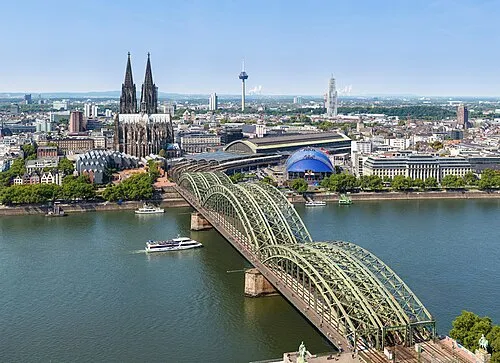 15 unis
Köln
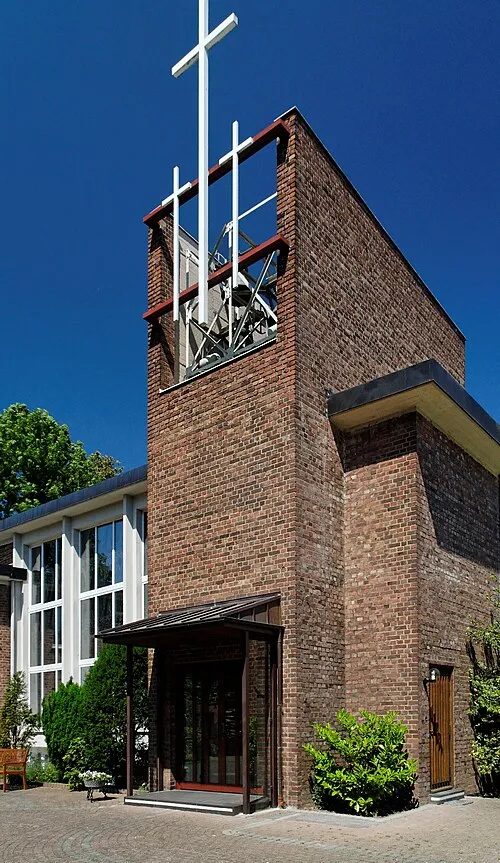 8 unis
Düsseldorf
 7 unis
Bochum
 5 unis
Bonn
 4 unis
Münster
 4 unis
Dortmund
 4 unis
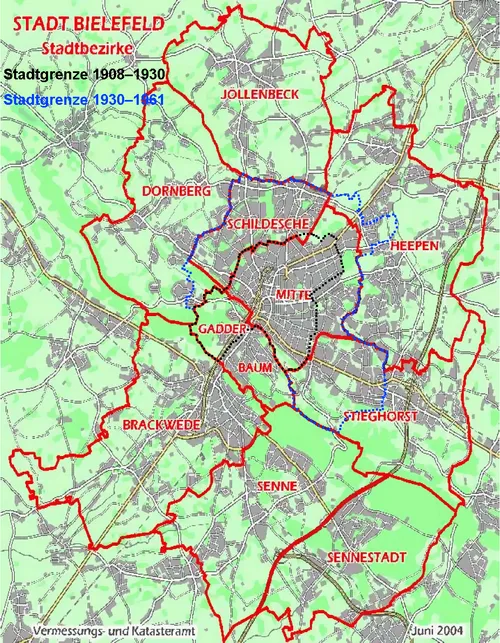
Bielefeld
 4 unis
Essen
 3 unis
Paderborn
 2 unis
Wuppertal
 2 unis
Iserlohn
 2 unis
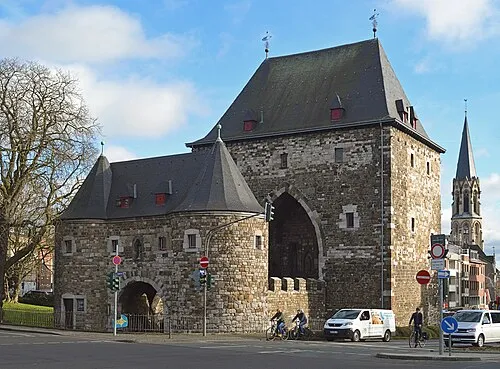
Aachen
 2 unis
Mülheim an der Ruhr
 2 unis
Witten
 2 unis
Bocholt
 2 unis
Recklinghausen
 1 unis
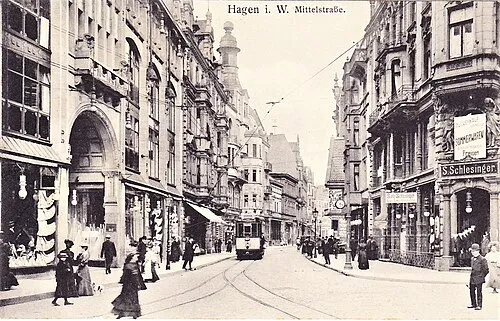
Hagen
 1 unis
Sankt Augustin
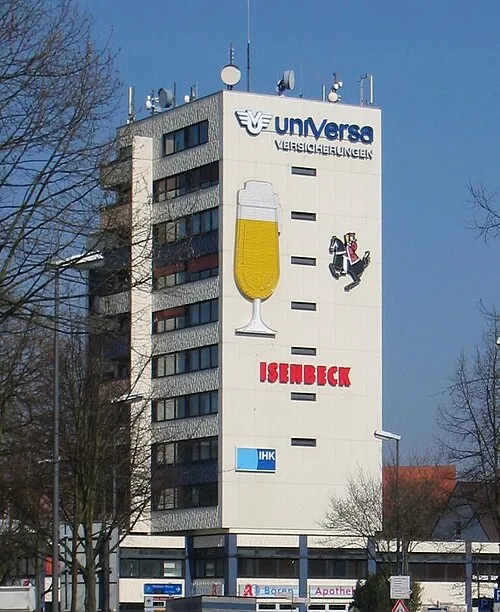 1 unis
Hamm
 1 unis
Brühl
Featured universities
All →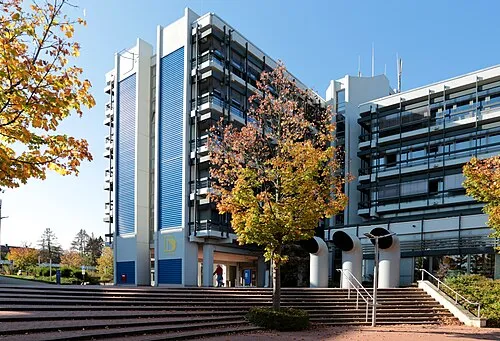
Fernuniversität in Hagen
Hagen
63,410 students
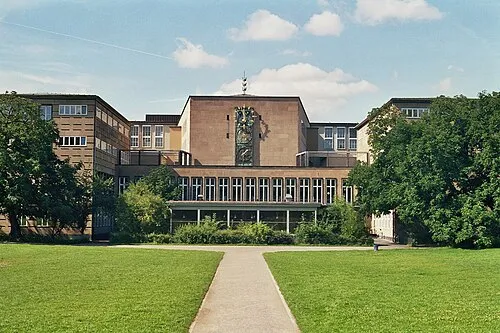
Universität zu Köln
Cologne
47,238 students
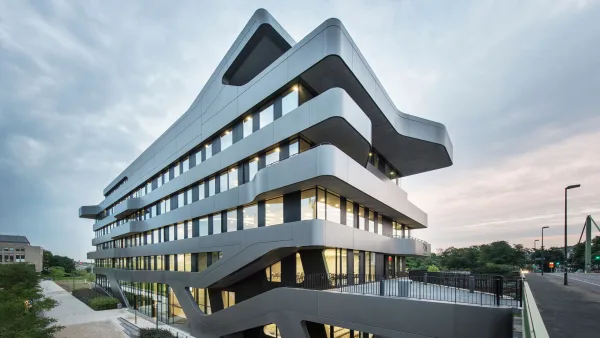
FOM Hochschule für Oekonomie & Management - University of Applied Sciences (FOM University of Applied Sciences for Economics & Management)
Essen
45,369 students
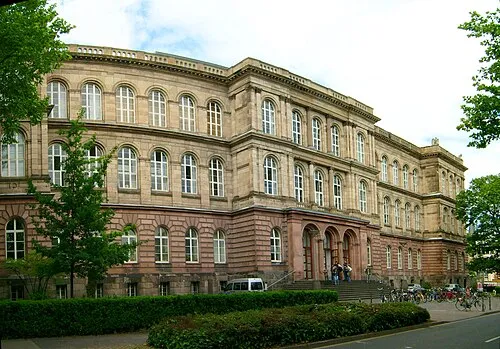
RWTH Aachen University
Aachen
45,113 students
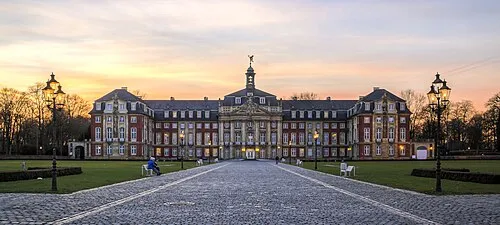
Universität Münster (University of Münster)
Münster
43,728 students

Institut für Informations-, Telekommunikations- und Medienrecht
Münster
41,962 students
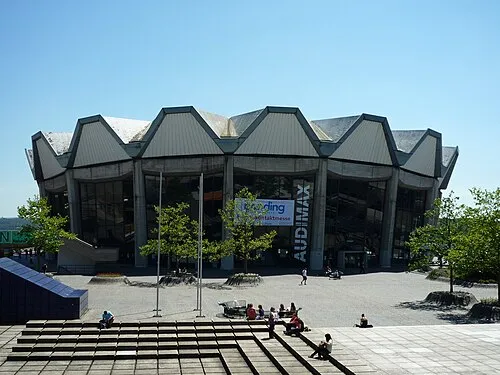
Ruhr-Universität Bochum
Bochum
37,759 students
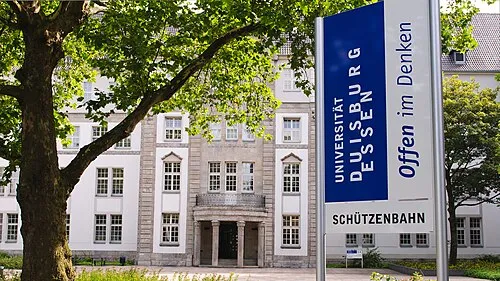
Universität Duisburg-Essen
Essen
37,567 students

Rheinische Friedrich-Wilhelms-Universität Bonn (University of Bonn)
Bonn
34,744 students
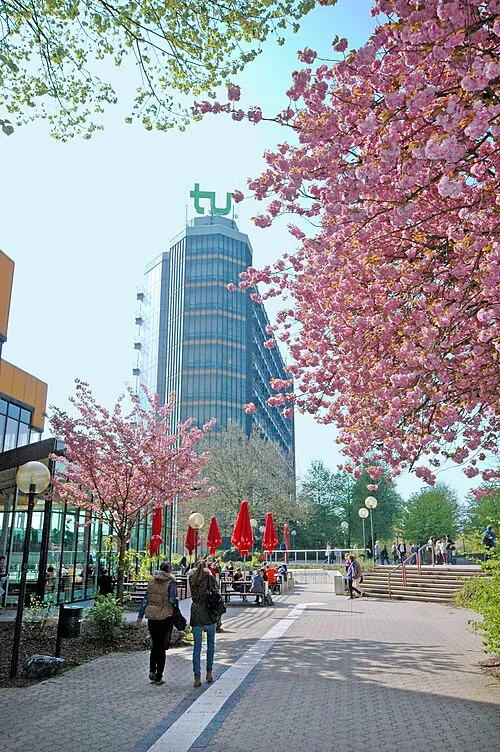
Technische Universität Dortmund (TU Dortmund University)
Dortmund
29,454 students

Heinrich-Heine-Universität Düsseldorf
Düsseldorf
28,641 students

Universität Bielefeld
Bielefeld
23,433 students


