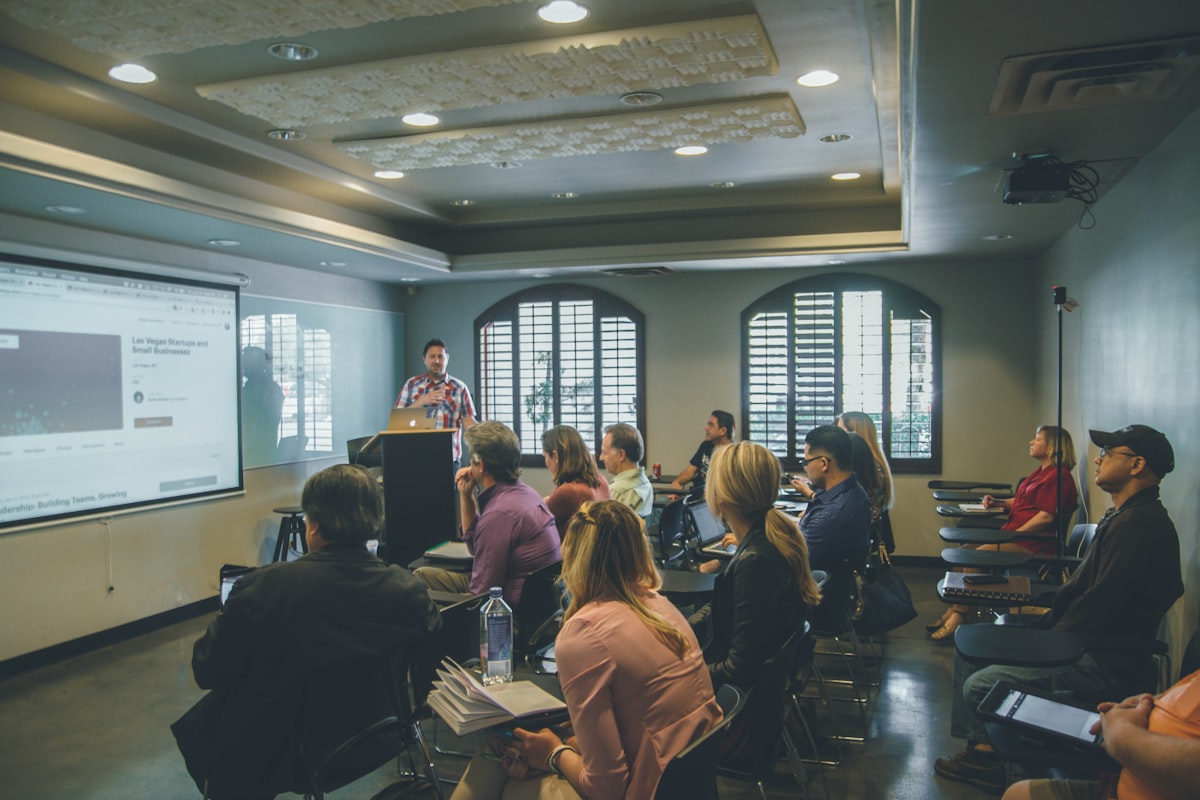
Social Sciences
Social Sciences

Studying Social Sciences (Sozialwissenschaften) in Germany offers one of the world's most respected and established academic traditions. This broad field delves deep into the phenomena, interactions, and structures of human social life, encompassing many disciplines like sociology, political science, economics, history, anthropology, and communication. Germany presents unique opportunities for international students with 5413 programs in this field (1965 of which are English-taught programs). Especially when compared to fields like natural sciences, social sciences stand out with their potential to generate interdisciplinary solutions for today's complex global issues. Germany's innovative educational approach and research-focused universities equip students with critical thinking, analytical skills, and global perspectives, opening doors to international career paths. At AlmanyaUni, we're happy to guide you on your educational journey in this rich field.
Quick Facts
- Field Name
- Social Sciences (Sozialwissenschaften)
- Total Programs
- 5413
- English-Taught Programs
- 1965
- Bachelor's Programs
- 2076
- Master's Programs
- 2597
- Featured Universities
- Technische Universität München, Ludwig-Maximilians-Universität München, Universität zu Köln, RWTH Aachen University, Freie Universität Berlin
- Sample Programs
- Arabistik/Islamwissenschaft, Christianity in Global Transformations, Deutsch als Fremdsprache, Europäische und Internationale Wirtschaft, Geschichte
Study Social Sciences in Germany: Why Is It So Popular?
Germany is a top choice for many students worldwide, offering a wide range of social science programs and high-quality education. These programs, often offered under a Faculty of Social Sciences, aim to equip students with theoretical knowledge and practical application skills. Social sciences are essential for understanding and solving today's most critical issues, such as globalization, digitalization, migration, and climate change. German universities are at the forefront of research in these areas, providing students with the most current knowledge. Thanks to numerous English-taught programs, even students who don't speak German can pursue their education in this field. Furthermore, Germany's multicultural environment acts as a living laboratory for social science students, offering opportunities to closely observe and analyze diverse cultures, societies, and political systems. This ensures graduates are competitive in the international job market.
Program Variety and Career Opportunities
Social Science programs in Germany offer you the chance to specialize according to your interests. You can choose from thousands of Bachelor's and Master's programs. For instance, you can delve into Middle Eastern cultures and politics with Arabic and Islamic Studies (Arabistik/Islamwissenschaft), research the societal impacts of religion through Christianity in Global Transformations, or focus on global economic systems with European and International Economics (Europäische und Internationale Wirtschaft). Classic fields like History (Geschichte) and German as a Foreign Language (Deutsch als Fremdsprache) are also very popular.
Career paths for Social Science graduates are incredibly broad. You'll find job potential in many sectors, including the public sector, international organizations (UN, EU), non-governmental organizations (NGOs), media and communication, human resources, market research, consulting, and academia. Germany's strong economy and international collaborations offer graduates diverse opportunities both within Germany and globally. Thanks to interdisciplinary approaches, graduates are valued as analytical and critical-thinking professionals who can bring innovative solutions to complex problems across various sectors.
Application Process and Admission Requirements
When applying for Social Science programs in Germany, there are some key requirements you need to be aware of. First, your high school diploma from Turkey (along with your YKS success) must be recognized as equivalent to the German 'Abitur'. This equivalency is often met by having been admitted to a university in Turkey or having completed a certain number of years of university education there. Some programs require German (TestDaF, DSH) or English (IELTS, TOEFL) language proficiency. For English-taught programs, an English proficiency certificate is mandatory.
While application processes vary by university, they are often handled through Uni-Assist, a service that pre-checks international student applications. You'll need to prepare documents like your transcripts, diploma, language proficiency certificates, and a motivation letter. A common question Turkish students have is whether having been admitted to a different field in Turkey prevents them from studying Social Sciences in Germany. This can vary depending on the specific requirements of the program you apply to and the university's assessment. It might be easier to transition from programs in similar fields. In any case, the best approach is to thoroughly review the admission requirements on the official website of the university you plan to apply to, and if necessary, contact the university directly.
Estimated Monthly Cost of Living
Places to Visit and Student Hangouts
The heart of every university. Ideal for studying, research, and meeting friends.
Found in many German cities, these historic centers are great places to spend time with their cafes, shops, and architecture.
One of Munich's largest parks. A wonderful area for relaxing, exercising, and socializing.
Boost your cultural knowledge by accessing many museums and galleries with student discounts.
Affordable spots around universities, popular among students for socializing.
Student Life and Culture
Student life in Germany offers rich social and cultural experiences alongside academic rigor. Universities typically have a multinational student body, giving you the chance to get to know different cultures and build international friendships. Students generally lead independent and organized lifestyles. Outside of classes, you'll find many student clubs and associations. These groups, active in sports, arts, politics, or social responsibility, are great platforms for meeting new people and developing your hobbies. Biking culture is very common in Germany, and many students prefer bicycles for transportation. Plus, with the 'Semesterticket' (semester transportation ticket), public transport in many cities is free or very affordable, allowing you to travel easily within the city and sometimes even within the state. Germany's student-friendly cities promise a full university experience, complete with affordable events, student discounts, and vibrant nightlife.
- Strong and widespread biking culture.
- Public transport benefits with the Semesterticket.
- International and multicultural student environment.
- Rich student clubs and associations.
- Student discounts (museums, cinemas, gyms).
Frequently Asked Questions
Is it possible to study Social Sciences in Germany if I studied a different field in Turkey? ▼
Yes, this is generally possible, but it depends on the specific admission requirements of the university and program you're applying to. If you've completed your undergraduate education in Turkey or studied for a certain number of years, you can apply for Bachelor's or Master's programs in Social Sciences in Germany. In some cases, having a degree in a field closely related to Social Sciences from Turkey can be an advantage. Since each university has its own equivalency and admission criteria, it's best to contact the international office of the relevant university.
Can I get admitted to Social Science programs in Germany if my YKS ranking is low or if I come from a different field? Which Turkish fields are considered equivalent? ▼
Your YKS ranking isn't a direct admission criterion for German universities; it's more an indicator of your eligibility for university entry in Turkey. What matters in Germany is that your high school diploma, and any university education you have, meets the Abitur equivalency. Having studied fields like Sociology, Psychology, International Relations, History, Philosophy, or Communication in Turkey can provide a suitable foundation when applying for Social Science programs in Germany. However, each program might have its own specific prerequisites (e.g., having taken certain courses). Whether you get admitted depends on your overall academic qualifications and the specific requirements of the program you apply to.
Is it mandatory to know German to study Social Sciences in Germany? ▼
No, it's not mandatory. Germany offers many English-taught Bachelor's and Master's programs in Social Sciences. However, knowing basic German is a big advantage for daily life and social integration. If you apply for a German-taught program, you'll need to prove your German proficiency with exams like TestDaF or DSH.
Can Social Science graduates easily find jobs in Germany? ▼
Job opportunities for Social Science graduates are quite broad, and how easily you find a job depends on your post-graduation specialization, language skills (especially German), internship experiences, and network. You can pursue careers in many areas, including the public sector, international organizations, NGOs, media, human resources, market research, and consulting. During your job search in Germany, German language proficiency and practical experience (internships) are critically important.
Are there scholarship opportunities for Social Sciences? ▼
Yes, various scholarship opportunities are available for Social Science students in Germany. One of the most well-known scholarship programs is the DAAD (German Academic Exchange Service) scholarships. Additionally, universities' own scholarships, foundations (e.g., political foundations), and other organizations can also provide financial support to students. Scholarship applications are usually evaluated based on criteria like academic achievement, social engagement, and motivation. It's important to research early and not miss application deadlines.
Take the first step to achieve your dreams in Social Sciences in Germany! You can find detailed program information and application processes on the AlmanyaUni platform. Don't hesitate to consult us for personalized guidance.
Social Sciences — Images
Programs in Social Sciences
Useful Links
Top universities in Social Sciences
All universities →Freie Universität Berlin, E-Medien
 164 programs
Rheinische Friedrich-Wilhelms-Universität Bonn (University of Bonn)
 150 programs
Johannes Gutenberg-Universität Mainz
 131 programs
Philipps-Universität Marburg (Marburg University)
 128 programs
Friedrich-Schiller-Universität Jena
 126 programs
Humboldt-Universität zu Berlin
 125 programs
Universität Hamburg
 125 programs
Martin-Luther-Universität Halle-Wittenberg
 115 programs
Universität Heidelberg (Heidelberg University)
Albert-Ludwigs-Universität Freiburg im Breisgau (University of Freiburg)
 105 programs
Friedrich-Alexander-Universität Erlangen-Nürnberg
 103 programs
Universität Rostock
Best cities for Social Sciences
All cities →Cities offering the most programs in this field. Compare the Sperrkonto burden, cost of living and student life with the cost calculator.
Social Sciences by degree
Bachelor Programs (1789)
All →a.r.t.e.s. Graduate School for the Humanities Cologne
@ Universität zu Köln
Abbe School of Photonics – PhD/Doctoral Programme
@ Friedrich-Schiller-Universität Jena
Advertising and Market Communication
@ media Akademie - Hochschule Stuttgart
African languages, Media and Communication Bachelor of Arts
@ Johannes Gutenberg-Universität Mainz
Afrika Sprachen, Medien und Kommunikation Bachelor
@ Goethe-Universität Frankfurt am Main
Afrikanische Sprachen und Kulturen - sprachenintensiviert [Languages and Cultures of Africa with a Focus on Language]
@ Universität Hamburg
Afrikanische Sprachen und Kulturen im Vergleich [Comparative Languages and Cultures of Africa]
@ Universität Hamburg
Agricultural and Horticultural Sciences
@ Technische Universität Berlin
Agricultural Economics
@ Universität Rostock
Ägyptologie
@ Julius-Maximilians-Universität Würzburg
Aisthesis.Culture and Media
@ Katholische Universität Eichstätt - Ingolstadt
Allgemeine Sprachwissenschaft [Linguistics]
@ Universität Hamburg
Professions in Social Sciences (247)
All →Aerobic-Trainer/Aerobic-Trainerin
BerufstypAus- bzw. Weiterbildungsberuf AusbildungsartSchulische Aus- bzw. Weiterbildung an unterschiedlichen Bildungseinrichtungen (intern g...
Arbeitsassistent/Arbeitsassistentin
Arbeitserzieher/Arbeitserzieherin
BerufstypWeiterbildungsberufWeiterbildungsartWeiterbildung an Fachschulen (landesrechtlich geregelt)Weiterbildungsdauer 2-3 Jahre (Vollzeit/...
Ausbilder/Ausbilderin für anerkannte Ausbildungsberufe
BerufstypWeiterbildungsberufWeiterbildungsartWeiterbildungsprüfung nach bundesweit einheitlicher RegelungTeilnahme an Vorbereitungslehrgänge...
Ausbilder/Ausbilderin für Erste Hilfe
BerufstypWeiterbildungsberufWeiterbildungsartWeiterbildung nach Vorgaben der Deutschen Gesetzlichen Unfallversicherung (DGUV)Weiterbildungsd...
Ausbilder/Ausbilderin von Pharmareferenten/Pharmareferentinnen
Beratungslehrer/Beratungslehrerin
Berufseinstiegsbegleiter/Berufseinstiegsbegleiterin
Berufspädagoge/Berufspädagogin
Berufspädagogik (grundständig)
StudientypGrundständiges StudiumStudienmöglichkeitenUniversität, FachhochschuleAbschlussBachelor of Arts (B.A.)Regelstudienzeit3-4 Jahre
Berufspädagogik (weiterführend)
Berufstrainer/Berufstrainerin im Sport
BerufstypWeiterbildungsberufWeiterbildungsartAus- bzw. Weiterbildung an unterschiedlichen Bildungseinrichtungen (landesrechtlich bzw. intern...
Master Programs (2214)
All →- Arabistik/Islamwissenschaft
@ Martin-Luther-Universität Halle-Wittenberg
- Christianity in Global Transformations
@ Martin-Luther-Universität Halle-Wittenberg
- Geschichte
@ Martin-Luther-Universität Halle-Wittenberg
- Psychologie
@ Martin-Luther-Universität Halle-Wittenberg
- Sprechwissenschaft
@ Martin-Luther-Universität Halle-Wittenberg
- Wissenschaft vom Christlichen Orient
@ Martin-Luther-Universität Halle-Wittenberg
Adult Education and Management in Lifelong Education
@ Julius-Maximilians-Universität Würzburg
Adult/Continuing Education and Lifelong Learning
@ Humboldt-Universität zu Berlin
Advanced Materials Analysis
@ Technische Universität Bergakademie Freiberg
Adventure and Experiential Education Master
@ Philipps-Universität Marburg
Advisory and Innovation Services in Agri-Food Systems
@ Universität Hohenheim
African Languages and Cultures
@ Universität Hamburg