
Lower Saxony
Niedersachsen

Located in northwestern Germany, Lower Saxony (Niedersachsen) is a popular and attractive state for students looking to study in Germany. With its capital Hannover, this state stands out for its vast geography, rich cultural heritage, and especially its well-established universities. As Germany's second-largest state, Lower Saxony offers both the dynamic student life of big cities and the tranquility of rural areas. This region, where students often ask about the cost of living and studying in Germany, stands out with its affordable accommodation options and high-quality educational institutions. It's particularly appealing to international students because it hosts strong universities in engineering, natural sciences, and social sciences. Universities in this state offer students extensive opportunities with their modern campuses and international programs.
Quick Facts
- State Name (TR)
- Aşağı Saksonya
- State Name (DE)
- Niedersachsen
- Capital
- Hannover
- Area
- 47,614 km² (Germany's 2nd largest state)
- Population
- Germany's fourth most populous state
- Number of Cities
- 15
- Number of Universities
- 37 (36 public, 0 private)
- Major Cities
- Hannover, Braunschweig, Göttingen, Osnabrück, Oldenburg
Study Opportunities in Lower Saxony
Lower Saxony is home to some of Germany's most established and prestigious universities. Institutions like Georg-August-Universität Göttingen, Leibniz Universität Hannover, and Technische Universität Braunschweig are internationally recognized and frequently chosen by students. The state has a total of 37 universities, 36 of which are public, offering you a wide range of affordable study options. High-quality bachelor's and master's programs are available in many fields, including engineering, natural sciences, medicine, and social sciences. You have the opportunity to study in 15 different cities across the state. Student-friendly cities like Hannover, Braunschweig, Göttingen, and Osnabrück stand out with their vibrant campus life and cultural events. Universities aim to provide students with both theoretical knowledge and practical experience through modern research facilities and strong industrial connections. Students often ask about university applications and admission processes for studying in Germany, and Lower Saxony universities typically offer detailed support through their international offices.
Culture, Nature, and Student Cities
Lower Saxony offers you an enjoyable life, not just with its study opportunities, but also with its rich cultural fabric and natural beauty. The state capital, Hannover, is known as both a modern metropolis and a city with abundant green spaces. Its large parks, lakes, and historical buildings offer you opportunities for relaxation and entertainment. Braunschweig is an important center for science and technology, while Göttingen is a classic university town with a lively atmosphere thanks to its young population. Osnabrück and Oldenburg are also student-focused cities. The state's proximity to the North Sea offers opportunities for maritime tourism and nature sports in its natural parks. The Harz Mountains, in particular, are a popular destination for winter sports and hiking. Thanks to the Semesterticket (semester ticket) offered by the state, you can explore these beautiful places using public transport at a low cost or even for free. This is a big advantage, especially for students concerned about transportation costs.
Estimated Monthly Cost of Living
Places to Visit and Student Hangouts
One of Hannover's most famous landmarks, with magnificent Baroque gardens and historic buildings.
Georg-August-Universität's modern library with an extensive collection, an essential study space for students.
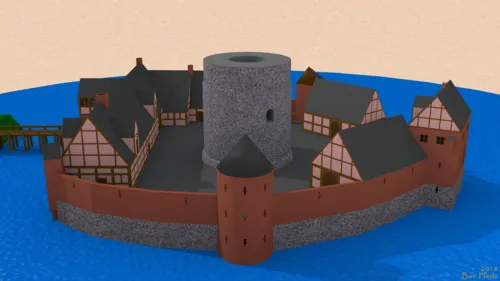
A medieval castle located in Braunschweig's historic center, now used as a museum.
An impressive museum dedicated to the works of renowned painter Felix Nussbaum, designed by Daniel Libeskind.
The former residence of the Duchy of Oldenburg, now home to the state museum.
Located in southeastern Lower Saxony, a national park ideal for hiking and winter sports.
Student Life and Culture
Lower Saxony boasts a dynamic and diverse student culture. Cities like Hannover, Göttingen, and Braunschweig, in particular, are hubs with a high concentration of young people and plenty of social activities. Student councils (AStA) and various student clubs at universities contribute to both your academic and social development. International student communities organize various events to ease the adaptation process for new students. Germany has a strong cycling culture, and in Lower Saxony, students frequently use bikes for transportation. Student bars, cafes, and cultural events in the cities offer you opportunities to socialize outside of classes. Thanks to the Semesterticket (semester ticket), public transport within the state is often free or very affordable, making it easy for you to explore different cities and regions. Students often ask about student parties and social events in Germany, and university towns in Lower Saxony are quite active in this regard.
- Strong and widespread cycling culture.
- Advantage of state-wide public transport with the Semesterticket.
- Numerous student clubs and communities.
- Affordable student bars and cafes.
- International student events and orientation programs.
Frequently Asked Questions
How much tax do you pay in Lower Saxony if you earn more than 603 Euros? ▼
There are specific tax exemptions for students in Germany. If you work a Minijob (up to 538 Euros per month) or as a Werkstudent (not exceeding a certain annual limit), you generally pay no or very little tax. Earning 603 Euros exceeds the Minijob limit, so you might fall into an income tax bracket. However, your student status and total annual income affect this. For precise information, it's best to consult a tax advisor or your university's social counseling service.
Roughly how long do bureaucratic processes (Anmeldung, bank account, etc.) take in Germany? ▼
When you first arrive in Germany, the Anmeldung (registration of residence) usually takes a few days if you can get an appointment. Opening a bank account can also take a few days, either online or in person. More extensive processes like visa extensions or residence permits can vary by state and workload, taking several weeks or even a few months in some cases. Finding an appointment and preparing all necessary documents completely will speed up the process.
Has anyone recently received university pre-approval in Lower Saxony? ▼
University pre-approvals (Zulassungsbescheid or admission notices) vary depending on the type of program you applied for, the university's application deadline schedule, and their workload. Results are usually announced within a few weeks or months after the application deadline. For the most up-to-date information, you should check directly with the international office of the university you applied to or student forums in Germany (like AlmanyaUni Telegram groups).
Is the waiting time for a cultural visa in Izmir and Antalya the same as for a tourist visa for Germany? ▼
Since cultural visas and tourist visas serve different purposes, their application processes and waiting times can differ. Cultural visa applications usually require more specific documents, and processing times vary depending on the consulates' workload. Tourist visa applications are more standard and often processed faster, while cultural visas might require additional review. It's important to get the most accurate and current information from the official websites of the German Consulates in Izmir or Antalya or from visa application centers.
Roughly how long does the family reunification process take from Istanbul? ▼
Family reunification visa applications vary significantly depending on the workload of the German consulates in Turkey and the relevant foreign nationals' offices (Ausländerbehörde) in Germany. This process can typically extend from a few months to up to a year. Submitting a complete application, providing all necessary documents, and appointment waiting times are the main factors affecting the process. For current waiting times, it's advisable to check the website of the German Consulate General in Istanbul and announcements from the relevant foreign nationals' office.
To learn more about studying and living in Lower Saxony, connect with universities, or share your experiences with other students, join our AlmanyaUni community!
Niedersachsen — Gallery
Universities in Lower Saxony
- Georg-August-Universität Göttingen
- Leibniz Universität Hannover
- Technische Universität Braunschweig
- Carl von Ossietzky Universität Oldenburg
- Universität Osnabrück
- Hochschule Osnabrück
- Ostfalia Hochschule für angewandte Wissenschaften (Hochschule Braunschweig/Wolfenbüttel)
- Leuphana Universität Lüneburg
Useful Links
Cities in Lower Saxony
All →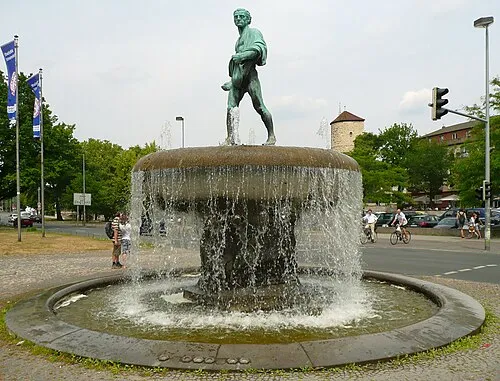




Featured universities
All →
Georg-August-Universität Göttingen (University of Göttingen)
Göttingen
26,824 students
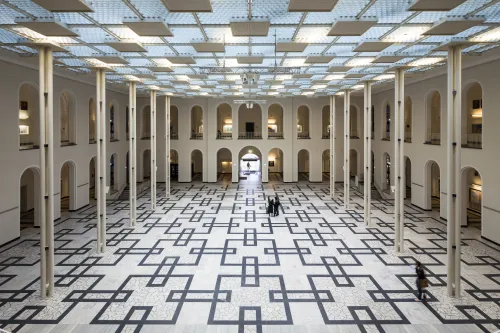
Leibniz Universität Hannover (Gottfried Wilhelm Leibniz Universität Hannover)
Hannover
26,074 students
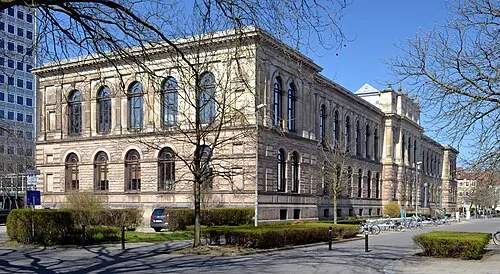
Technische Universität Braunschweig (Technische Universität Carolo-Wilhelmina zu Braunschweig)
Braunschweig
15,632 students
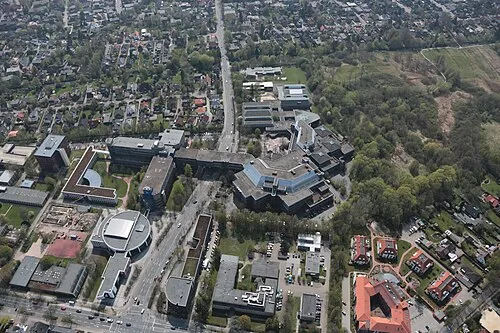
Carl von Ossietzky Universität Oldenburg (University of Oldenburg)
Oldenburg
14,670 students
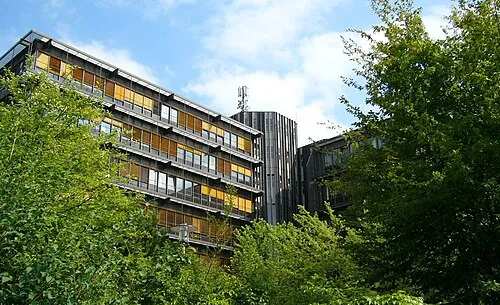
Universität Osnabrück (Osnabrück University)
Osnabrück
13,341 students
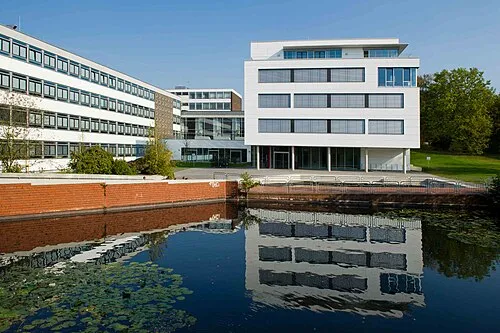
Hochschule Osnabrück (Osnabrück University of Applied Sciences)
Osnabrück
12,983 students

Ostfalia Hochschule für angewandte Wissenschaften (Hochschule Braunschweig/Wolfenbüttel) (Ostfalia University of Applied Sciences - Hochschule Braunschweig/Wolfenbüttel)
Braunschweig
10,050 students
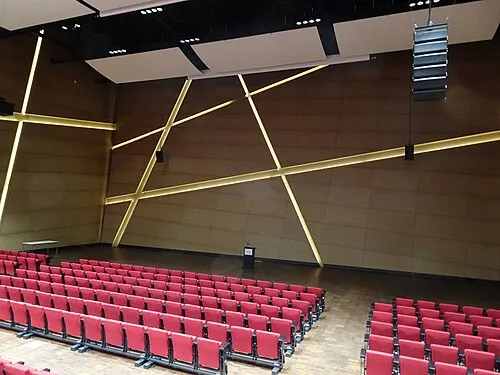
Leuphana Universität Lüneburg
Lüneburg
9,127 students
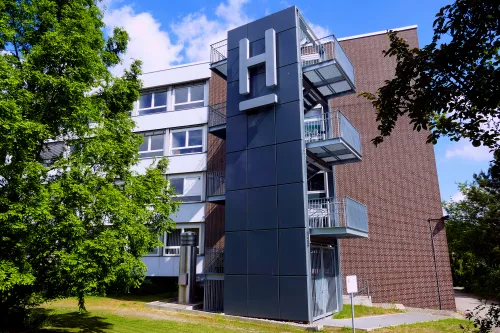
Hochschule Hannover (Hochschule Hannover - University of Applied Sciences and Arts)
Hannover
8,441 students
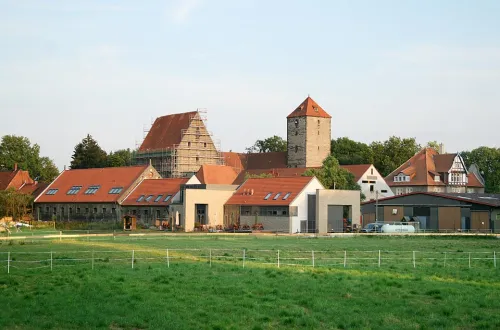
Stiftungsuniversität Hildesheim
Hildesheim
7,784 students
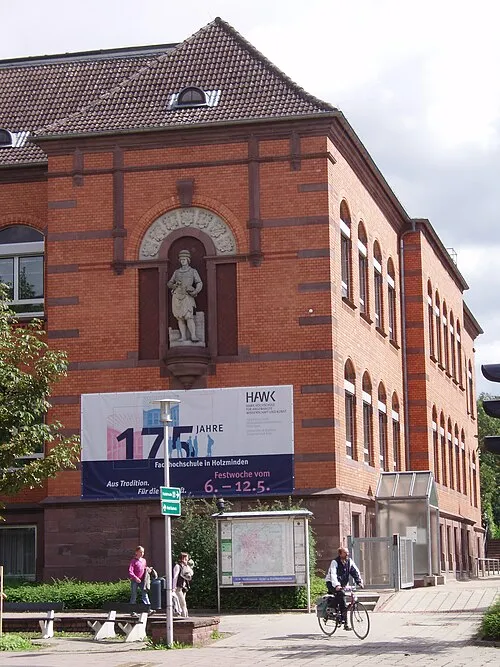
HAWK Hochschule Hildesheim/Holzminden/Göttingen (University of Applied Sciences and Arts Hildesheim/Holzminden/Göttingen)
Hildesheim
6,127 students
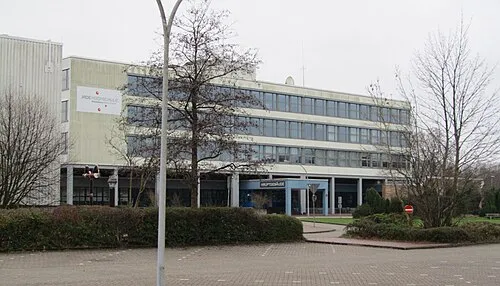
Jade Hochschule (Jade University of Applied Sciences)
Wilhelmshaven
6,091 students


