
Bavaria
Bayern

Located in southeastern Germany, Bavaria (Bayern) is the country's largest state by area and its second most populous. Officially known as the Free State of Bavaria, this region is an attractive destination for students looking to study in Germany, thanks to its natural beauty and well-established educational institutions. Its capital and largest city, Munich, stands out with world-renowned universities and a vibrant student life. Extending from the foothills of the Alps to the Danube River, Bavaria's vast geography, historic cities, cultural richness, and high quality of life promise an unforgettable experience if you choose to study in Bavaria. On this page, you'll find all the details you're curious about regarding being a student in Bavaria.
Quick Facts
- State Name
- Bavaria (Bayern)
- Capital
- Munich (München)
- Area
- 70.550 km² (Germany's largest)
- Population
- ~13.2 Million (Germany's 2nd most populous state)
- Number of Cities
- 27
- Number of Universities
- 75 (72 public, 3 private)
- Neighboring Countries
- Austria, Czechia
Education and Universities in Bavaria
Bavaria is home to some of Germany's most prestigious and well-established educational institutions. The vast majority of the 75 universities in the state are public, which means affordable education costs for you. Bavaria boasts many world-renowned universities, especially in engineering, natural sciences, medicine, and social sciences. Here are some of the prominent universities in Bavaria:
- Technische Universität München (TUM): Technical University of Munich is considered one of Europe's best, particularly in engineering and science fields.
- Ludwig-Maximilians-Universität München (LMU): Ludwig Maximilian University of Munich stands out with its wide range of programs and research-oriented structure.
- Friedrich-Alexander-Universität Erlangen-Nürnberg (FAU): University of Erlangen-Nürnberg is known for its innovative research and strong industry connections.
- Julius-Maximilians-Universität Würzburg: University of Würzburg is notable for its rich history and achievements, especially in medicine.
- Other important universities like Universität Regensburg and Universität Augsburg also offer high-quality education in various fields.
These universities provide comprehensive support services for international students, modern campus facilities, and abundant research opportunities. You might often ask, "Which university in Bavaria should I choose?" While the answer depends on your interests and career goals, every university in the state has its unique strengths.
Key Cities and Student Life in Bavaria
Bavaria is home to many student-friendly cities. Each city has its own unique atmosphere, offering rich opportunities for both academic and social life:
- Munich (München): The state capital and largest city, Munich stands out with its cultural events, museums, parks, and vibrant nightlife. Despite higher living costs, Munich is always a popular choice for students due to the career and educational opportunities it offers. The city's proximity to many international company headquarters also provides excellent post-graduation job prospects.
- Nuremberg: Bavaria's second-largest city, Nuremberg is known for its historical fabric, medieval castle, and lively student population. It attracts students with more reasonable living costs and quality universities.
- Würzburg: Located on the Main River, Würzburg is a charming student city with vineyards, Baroque architecture, and a young population. The university is an important part of the city's social fabric.
- Regensburg: This UNESCO World Heritage city on the Danube River is known for its well-preserved medieval center and friendly atmosphere. It offers a calm yet active life for students.
- Augsburg: One of Germany's oldest cities, Augsburg combines history and innovation with its historic buildings, water canals, and modern university.
These cities offer countless activities and cultural experiences for you to explore outside of your studies. While the cost of living in Bavaria, especially in Munich, can be higher than in other cities, it generally offers a quality of life above the German average.
Monthly Cost of Living (Estimated)
Places to Visit and Student Hangouts
Munich's heart, the city's most vibrant square with the New Town Hall and the famous Glockenspiel.
A famous castle located in the Bavarian Alps, looking like it's straight out of a fairy tale.
One of Europe's largest city parks, famous for its surfers and beer gardens.
An impressive medieval imperial castle dominating the city of Nuremberg.
A masterpiece of Baroque architecture on the UNESCO World Heritage list, famous for its palace and gardens.
A modern museum showcasing BMW's history and innovations, perfect for car enthusiasts.
The world's largest beer festival, attracting millions of visitors every year.
Student Life and Culture
Bavaria is a state where rich cultural heritage blends with modern student life. University cities offer a dynamic, multicultural environment that welcomes international students. Student clubs, sports activities, cultural events, and festivals help you easily adapt to social life. Especially in larger cities like Munich, international student communities are very active and organize various meetups. Bavaria's traditional beer gardens (Biergarten) and local festivals (Volksfest) offer fantastic opportunities to experience German culture. Thanks to its proximity to the Alps, winter sports and hiking are also popular activities. Being a student in Bavaria means not just studying, but also being part of a rich social and cultural life.
- Vibrant student communities and international environment
- Winter sports and nature activities in the Alps
- Beer garden (Biergarten) culture and local festivals
- Diverse student clubs and sports facilities
- Rich cultural life with museums, theaters, and art galleries
Frequently Asked Questions
How do living costs in Bavaria compare to other states? ▼
Bavaria is one of Germany's most expensive states, especially in cities like Munich. However, in other cities like Nuremberg, Würzburg, or Regensburg, living costs are more reasonable. Rent is typically your biggest expense.
What is the application process for universities in Bavaria like? ▼
While the application process varies by university and program, it's usually done through Uni-Assist (a centralized application service for international students) or directly via the universities' own portals. You'll typically need documents like your high school diploma, transcripts, language proficiency certificate (TestDaF, DSH), and a motivation letter. It's crucial to check the official website of your chosen university for specific details.
Is it difficult to find student accommodation in Munich? ▼
Yes, finding student accommodation in Munich can be quite competitive and challenging. Student dormitories (Studentenwerk, the student services organization) are the most affordable option, but they receive many applications. Private rented rooms (WG - Wohngemeinschaft, a shared apartment) or apartments are also available but are more expensive. Applying early and considering various options is essential.
What are the opportunities to learn German in Bavaria? ▼
All universities in Bavaria offer German language courses at various levels for international students. Additionally, language schools in cities (like Volkshochschule or Goethe-Institut) and private courses are good options for learning German. Many universities also organize intensive German courses before the start of lectures.
Are there job opportunities for international students in Bavaria? ▼
Yes, Bavaria's economy is quite strong, and there are part-time job opportunities (Werkstudent, Minijob) for international students, especially in larger cities like Munich. IT, engineering, tourism, and service sectors are popular fields. Knowing German significantly increases your chances of finding a job.
Take the first step to start your dream university education in Bavaria! Contact our expert AlmanyaUni consultants to get detailed information about application processes, visa procedures, and life in Germany.
Bavaria — Gallery
Universities in Bavaria
- Technische Universität München
- Ludwig-Maximilians-Universität München
- Friedrich-Alexander-Universität Erlangen-Nürnberg
- Julius-Maximilians-Universität Würzburg
- Universität Regensburg
- Universität Augsburg
- Katholische Stiftungshochschule für angewandte Wissenschaften München
- Technische Hochschule Nürnberg Georg Simon Ohm
Useful Links
Cities in Bavaria
All →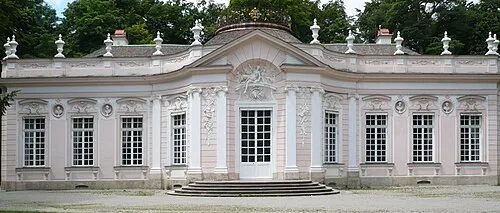 17 unis
München
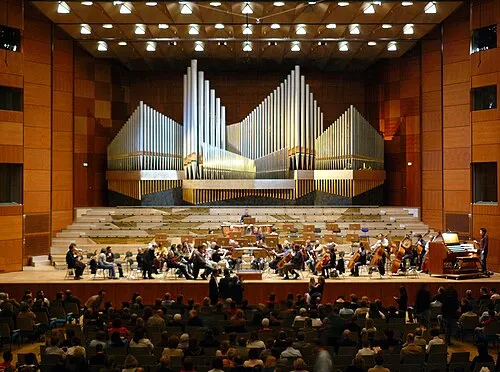 8 unis
Nürnberg
 3 unis
Würzburg
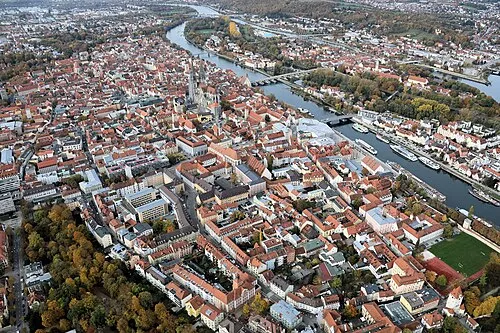 3 unis
Regensburg
 2 unis
Augsburg
Hof
 2 unis
Ingolstadt
 2 unis
Bayreuth
 1 unis
Ansbach
 1 unis
Coburg
 1 unis
Kempten (Allgäu)
 1 unis
Landshut
 1 unis
Neu-Ulm
 1 unis
Freising
 1 unis
Rosenheim
 1 unis
Amberg
 1 unis
Bamberg
 1 unis
Aschaffenburg
 1 unis
Deggendorf
 1 unis
Passau
Featured universities
All →
Technische Universität München (Technical University of Munich)
Munich
55,562 students
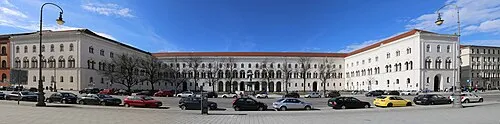
Ludwig-Maximilians-Universität München
Munich
53,609 students

Friedrich-Alexander-Universität Erlangen-Nürnberg
Erlangen
40,382 students
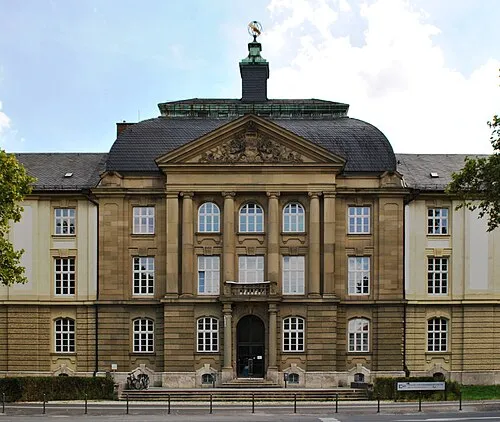
Julius-Maximilians-Universität Würzburg
Würzburg
26,024 students

Universität Regensburg
Regensburg
20,202 students

Universität Augsburg
Augsburg
18,788 students

Katholische Stiftungshochschule für angewandte Wissenschaften München (Munich University of Applied Sciences)
Munich
18,535 students
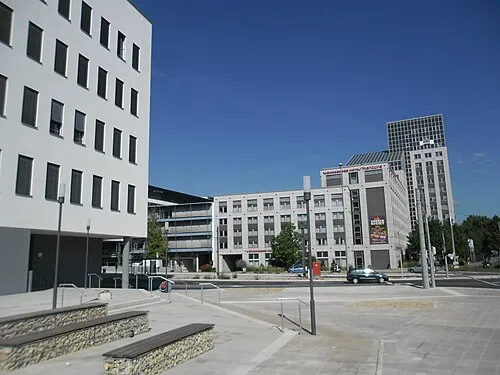
Technische Hochschule Nürnberg Georg Simon Ohm (Technische Hochschule Nuremberg Georg Simon Ohm)
Nuremberg
12,547 students
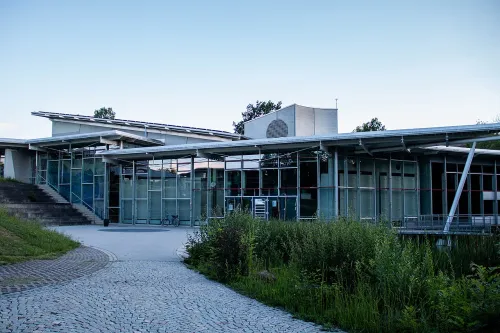
Universität Bayreuth
Bayreuth
11,689 students

Ostbayerische Technische Hochschule Regensburg (OTH Regensburg)
Regensburg
10,999 students

Universität Passau
Passau
10,683 students
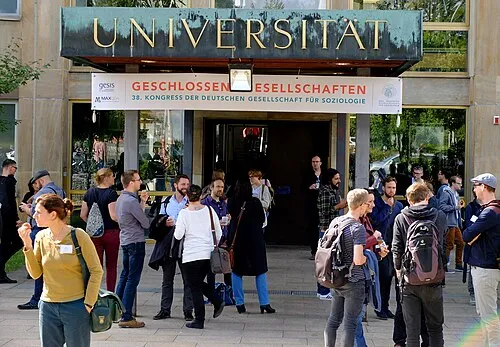
Otto-Friedrich-Universität Bamberg (University of Bamberg)
Bamberg
10,129 students
Strong fields in Bavaria
All fields →Articles related to Bavaria
Blog →Finance
Student Loans and Study Financing in Germany for International Students
Germany has no single student loan. Who can use KfW, Bildungskredit, BAföG, Studierendenwerk and ban...
29 min read
Studying in Germany
German University Grading System and Exam Retake Rules
German universities grade from 1.0 to 5.0, and 4.0 usually passes. But there's no national "three at...
24 min read
Student Life & Cities
How to Rent an Apartment in Germany Without SCHUFA
New in Germany and no SCHUFA record? An empty file isn't a bad one. Here's what landlords may ask fo...
17 min read


