Julius-Maximilians-Universität Würzburg
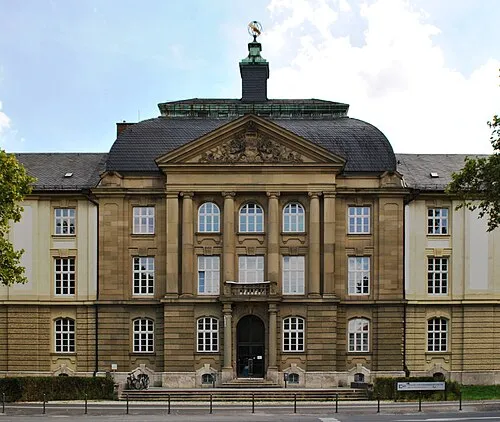
Julius-Maximilians-Universität Würzburg is one of Germany's oldest and most prestigious universities. Located in the heart of Bavaria, in the charming city of Würzburg, this public university boasts a rich history dating back to 1402. Known among international students, especially those from Turkey, as "Würzburg University," JUMU stands out with its wide range of programs and research-focused approach.
If you're looking to study in Germany, Würzburg is an attractive option, offering both academic excellence and a vibrant student life. Questions like "Is anyone studying in Schweinfurt or Würzburg?" frequently pop up in our forums, highlighting the city and university's popularity among international students. With its modern campus facilities and international student-friendly environment, JUMU could be the perfect starting point to achieve your study abroad dreams in Germany.
Quick Facts
- City
- Würzburg
- State
- Bayern
- Type
- Public University (Universitäten)
- Founded
- 1402 (reopened in 1582)
- Student Enrollment
- 26.024
- Programs Offered
- 148
- Member of HRK
- Evet
- Member of Uni-Assist
- Evet
History and Academic Structure
Julius-Maximilians-Universität Würzburg is one of the oldest higher education institutions not just in Germany, but across Europe. Initially founded in 1402, the university reopened its doors in 1582 through the initiative of Prince-Bishop Julius Echter von Mespelbrunn after a brief hiatus. It takes its current name from this significant figure and Bavarian King Maximilian Joseph. Despite its deep roots, JUMU successfully maintains its identity as a modern research university.
The university offers education across a broad spectrum of disciplines. With 148 different programs (Bachelor's, Master's, and PhD) in fields like medicine, natural sciences, humanities, law, and economics, it provides students with a wealth of choices. Internationally recognized for its research, especially in medicine and natural sciences, JUMU aims to cultivate future scientists and leaders with its innovative approaches and strong academic staff. The university's research centers and institutes offer students opportunities to gain practical experience alongside theoretical knowledge. This academic diversity and research focus make Würzburg University an appealing choice if you're considering studying in Germany.
Würzburg: The City and Student Life
Würzburg is a historically and culturally rich city located in northern Bavaria, nestled along the Main River. With a population of around 130,000, a significant portion of the city's residents are students from Julius-Maximilians-Universität and other higher education institutions. This makes Würzburg a lively and dynamic student city. The city is particularly known for its vineyards, the Würzburg Residence (a UNESCO World Heritage site), and the Marienberg Fortress.
The frequent questions in forums like "Is anyone studying in Schweinfurt or Würzburg?" demonstrate Würzburg's recognition and preference within the student community. The city offers students numerous social and cultural activities to enjoy outside of classes. Walks along the Main River, cafes and restaurants in the historic city center, various festivals, and student events will make your time in Würzburg unforgettable. The transportation network is well-developed, and students can easily get around the city, usually by bike or public transport (often included with a Semesterticket – a semester ticket for public transport). Würzburg's location also provides easy access to major cities like Munich and Frankfurt, as well as other European countries.
Application Process and Tips for International Students
Applications for international students to Julius-Maximilians-Universität Würzburg are typically processed through Uni-Assist. Since the university is a member of Uni-Assist (a central service for preliminary review of international student applications), your application documents will be pre-screened through their system. This process offers a significant convenience for applicants. Before applying, it's crucial to thoroughly review the "International Students" section on the university's official website and the relevant pages on Uni-Assist.
One common question among international students is, "Does anyone know how many weeks it takes for the VPD for Uni Würzburg to arrive?" The processing time for VPD (Vorprüfungsdokumentation – preliminary review documentation) applications submitted via Uni-Assist can vary depending on application volume, the time of year, and the completeness of your submitted documents. Generally, this process takes 4 to 6 weeks, but it can be longer during peak application periods. Therefore, we recommend submitting your application well in advance of the application deadline. You should also be prepared for potential technical issues within the Uni-Assist system. Issues like "I selected Technische Universität Chemnitz (TU) and chose informatics... now I can't add it to my cart again," which we see in our community insights, illustrate situations that can occur during Uni-Assist's busy periods or technical glitches. In such cases, contacting Uni-Assist's support team or exchanging information with other students facing similar issues in forums can be helpful. Ensuring your application documents are complete and accurate is crucial for a smooth process.
Estimated Monthly Cost of Living
Places to Visit and Student Hangouts
A UNESCO World Heritage site and one of the finest examples of Baroque architecture.
This historic fortress, rising above the Main River, offers panoramic views of the city.
Famous for its statues of saints, this is a popular meeting spot where students love to socialize.
This university-owned botanical garden is a peaceful escape for students looking to relax and connect with nature.
With modern facilities, this library is one of the main centers students use for studying and research.
A vibrant area where student bars, cafes, and restaurants are concentrated – truly the heart of student life.
Student Life and Culture
Student life at Julius-Maximilians-Universität Würzburg is incredibly vibrant and diverse. Hosting around 26,000 students, the city has a youthful and dynamic atmosphere. The university boasts numerous student clubs and societies, ranging from sports clubs and cultural associations to international student groups and scientific communities. These clubs allow you to develop social skills and meet people from different cultures, alongside your academic pursuits.
In Würzburg, you'll find plenty of opportunities to make the most of your time outside of classes. Picnics along the Main River, festivals in the historic city center (like the wine festivals), and student-friendly bars and cafes are all major parts of the city's social scene. Throughout the year, the university organizes various events, seminars, and career days to support both your academic and personal development. Moreover, Würzburg's central location means you have the chance to explore other German cities and neighboring countries. The city has a strong cycling culture, and students often prefer cycling for transportation between campuses or within the city.
- Extensive network of student clubs and societies
- Vibrant social life and festivals (especially wine festivals)
- Strong cycling culture and eco-friendly transportation
- International student-friendly environment
- Travel opportunities thanks to central location
Program Distribution by Type
| Program Type | Number of Programs Available |
|---|---|
| Bachelor's | 28 |
| Master's | 94 |
| PhD | 2 |
Distribution of programs offered at Julius-Maximilians-Universität Würzburg by type.
Frequently Asked Questions
How many weeks does it take to get the VPD (Vorprüfungsdokumentation) for Uni Würzburg? ▼
The processing time for VPD applications submitted via Uni-Assist varies depending on application volume and the completeness of your documents, but it generally takes 4 to 6 weeks. During peak periods, this can be longer, so it's recommended to submit your application as early as possible.
What should I do if I encounter a technical issue while applying through Uni-Assist? (e.g., 'Cannot add to cart' error) ▼
If you encounter a technical issue like 'cannot add to cart' in the Uni-Assist system, first check your internet connection and consider trying again from a different browser or device. If the problem persists, the best solution is to contact Uni-Assist's support team directly or check their 'Frequently Asked Questions' section on the platform. Following other students' experiences in forums can also be helpful.
Is it difficult to find student accommodation in Würzburg? ▼
As with many popular student cities in Germany, demand for student accommodation in Würzburg is high. Student dormitories (Studentenwerk – student services organization) are usually affordable but have limited availability. Private apartments or shared flats (WG – Wohngemeinschaft) are also an option. It's advisable to start your accommodation search simultaneously with your application and explore various options.
How much German language proficiency do I need to study at Julius-Maximilians-Universität Würzburg? ▼
For German-taught programs, a C1 level of German proficiency (documented by exams like TestDaF, DSH, or Goethe-Zertifikat C1) is generally required. For English-taught programs, a B2 or C1 level of English proficiency (with exams like TOEFL or IELTS) is typically sought. It's important to check the specific language requirements for your chosen program on the university's official website.
What are the part-time job opportunities while studying in Würzburg? ▼
In Germany, international students are allowed to work part-time within set limits (up to 140 working days a year; Arbeitstagekonto, a day of up to 4 hours counts as half a day). In student cities like Würzburg, you can find job opportunities on campus (as a HiWi – Hilfswissenschaftler, or student assistant), in restaurants, cafes, the retail sector, or local businesses. Good German language skills will significantly increase your chances of finding a job.
Don't miss the opportunities Julius-Maximilians-Universität offers to kickstart your academic career in Würzburg! Visit the university's official website for detailed program information and application requirements, and begin your dream education in Germany.
Julius-Maximilians-Universität Würzburg — Gallery
Programs
Useful Links
Location

Programs & Departments
196 active programs · 96 English · 72 NC-frei
Showing 1–24 of 196 programs
Bachelor
Ägyptologie
DEBachelor of Arts (B.A.)
Egyptology at the University of Würzburg studies the entire legacy of ancient Egyptian culture from prehistory to early Christian times and its influence on neighboring areas. The field covers a perio...
View details →Alte Welt
DEBachelor of Arts (B.A.)
"Alte Welt" (Ancient World) is an innovative interdisciplinary study program. The subject of the course is the teaching of interdisciplinary, broad basic knowledge in disciplines that deal with antiqu...
View details →Biochemie
DE+ENBachelor of Science (B.Sc.)
Biochemistry deals with the molecular foundations of life processes and their systematic and quantitative analysis. The program explores questions like: How are the basic biological building blocks co...
View details →Biomedizin
DE+ENBachelor of Science (B.Sc.)
The 'Biomedicine' program stands at the interface between medicine and biosciences. The main focus is on molecular and cellular processes in the human body and their pathological changes. The program...
View details →Classics
DEBachelor of Arts (B.A.)
The interdisciplinary study program 'Classics' integrates the disciplines of Classical Archaeology, Ancient History, Greek Studies, and Latin Studies, providing a broad understanding of the archaeolog...
View details →Diversity, Ethics and Religions
ENBachelor of Arts (B.A.)
The Bachelor's program 'Diversity, Ethics and Religions' at the University of Würzburg is an interdisciplinary English-language degree program (180 ECTS) specifically focused on addressing the urgent...
View details →Diversity, Ethics, and Religions
ENDiversity, Ethics, and Religions
View details →Funktionswerkstoffe
DEBachelor of Science (B.Sc.)
Funktionswerkstoffe (Functional Materials) are essential in daily life: they are found in phones, MP3 players, LED/LCD TVs, game consoles, contact lenses, and implants. They convert light into electri...
View details →Games Engineering
DE+ENBachelor of Science (B.Sc.)
Games Engineering focuses on the targeted provision and systematic use of principles, methods, and tools for the collaborative, engineering-based development and application of extensive software syst...
View details →Hebammenwissenschaft
DEBachelor of Science (B.Sc.)
The Midwifery Science program is offered by the Medical Faculty of JMU as an integrated dual Bachelor's program, concluding with a Bachelor of Science (B.Sc.) degree and professional qualification as...
View details →Informatik und Nachhaltigkeit
DEBachelor of Science (B.Sc.)
The Bachelor's program 'Computer Science and Sustainability' is a foundation and application-oriented program offered by the Faculty of Mathematics and Computer Science at Julius Maximilians Universit...
View details →Klassische Archäologie
DEBachelor of Arts (B.A.)
Classical Archaeology is a historical cultural science that deals with Greek, Etruscan and Roman culture, including their precursors and after-effects, and examines the interactions with neighboring c...
View details →Kunstgeschichte
DEBachelor of Arts (B.A.)
The Art History program covers the history of predominantly (Western) European art since the end of antiquity. Art History is a historical discipline and differs from other courses such as Art Educati...
View details →Kunstpädagogik
DEBachelor of Arts (B.A.)
The Art Education program (Kunstpädagogik) focuses on the complex field of art and aesthetic practice education. The curriculum covers artistic working methods and techniques, as well as courses in ar...
View details →Lebensmittelchemie
DEBachelor of Science (B.Sc.)
Lebensmittelchemie (Food Chemistry) is an interdisciplinary research field combining various scientific areas (Chemistry, Biology, Medicine (Toxicology, Physiology), Nutrition Sciences, Food Technolog...
View details →Logopädie
DEBachelor of Science (B.Sc.)
The Academic Speech Therapy/Logopedics program is offered by the Faculty of Human Sciences at JMU as an integrated dual Bachelor's program with a Bachelor of Science (B.Sc.) degree. It is a single-sub...
View details →Luft- und Raumfahrtinformatik
DE+ENBachelor of Science (B.Sc.)
The Bachelor's program in Aerospace Informatics (Luft- und Raumfahrtinformatik) aims to provide the special knowledge and skills necessary to apply interdisciplinary content from physics, electronics,...
View details →Modern China, Bachelor of Arts (BA)
DE+ENModern China, Bachelor of Arts (BA)
View details →Museologie und materielle Kultur
DEBachelor of Arts (B.A.)
The Bachelor's program 'Museologie und materielle Kultur' (Museology and Material Culture) is the first university program of its kind in Germany, established in the winter semester 2010/11. The progr...
View details →Musikpädagogik
DEBachelor of Arts (B.A.)
Musikpädagogik (Music Education) focuses on the teaching and transmission of music. The program stands in close connection with music didactics, music education, and music instruction. The central sub...
View details →Pflegewissenschaft
DEBachelor of Science (B.Sc.)
The Nursing Science program is a dual Bachelor's degree program offered by the Medical Faculty of JMU. It leads to two qualifications: Bachelor of Science (B.Sc.) and Nursing Professional (B.Sc.). The...
View details →Quantentechnologie
DEBachelor of Science (B.Sc.)
The Quantum Technology program focuses on manipulating materials at the nano level (molecular or atomic scale) to achieve novel and improved properties. The program is designed for students interested...
View details →Russische Sprache und Kultur
DEBachelor of Arts (B.A.)
The Slavistik program at the University of Würzburg, offered as 'Russische Sprache und Kultur' (Russian Language and Culture), focuses on the scientific study of Slavic languages, literatures, and cul...
View details →Vergleichende indogermanische Sprachwissenschaft
DEBachelor of Arts (B.A.)
Comparative Indo-European Linguistics (Vergleichende Indogermanische Sprachwissenschaft) studies the Indo-Germanic language family that has developed from a single basic language spoken before the inv...
View details →
Würzburg
State: Bavaria
Würzburg: A Standout University City
Würzburg is considered one of Germany's most dynamic student cities. Its four universities offer a wide range of English-taught programs and German-ta...
more →Historical and Cultural Richness
Würzburg is more than just a university city; it also stands out with its rich historical and cultural heritage. The city boasts a picturesque landsca...
more →Student Life and Culture
With approximately 35,000 students, Würzburg truly embodies the identity of a student city. Student associations and communities in the city help new...
more →More about Würzburg
Cost of living, housing, transport, student life and all universities.
Student Experiences
Share yours too →No experience shared yet.
Be the first to share an experience about Julius-Maximilians-Universität Würzburg and help other students.
Share your experienceOther universities in Würzburg
All → Public
Technische Hochschule Würzburg-Schweinfurt
9,131 students
 Public
Hochschule für Musik Würzburg
576 students
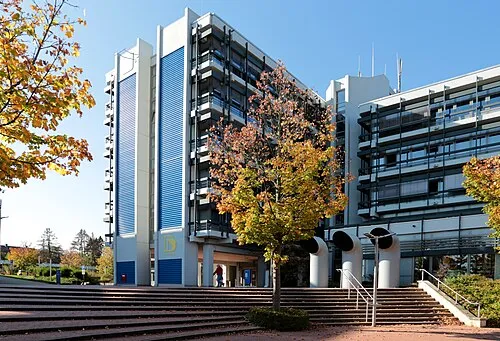 Public
Fernuniversität in Hagen
63,410 students
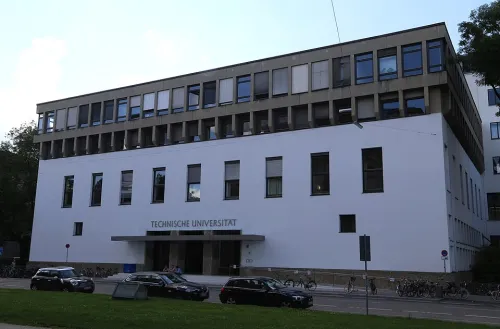 Public
Technische Universität München
55,562 students
 Public
Ludwig-Maximilians-Universität München
53,609 students
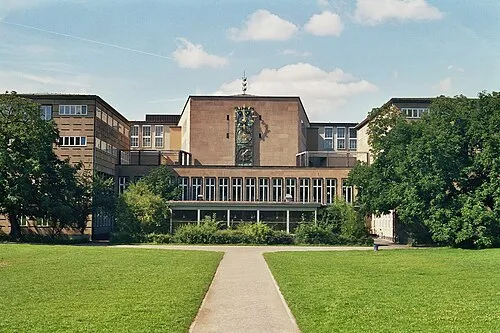 Public
Universität zu Köln
47,238 students
Student Reviews
Verified reviews from current students, alumni and applicants.
No reviews yet. Be the first!
Verified students and alumni can share their experience below.
Write a review about Julius-Maximilians-Universität Würzburg Open form ↓
How do I apply to Julius-Maximilians-Universität Würzburg as an international student?
Non-EU applicants apply via uni-assist (document verification + APS certificate for some countries). EU applicants apply directly. You need a recognised degree, language certificate, motivation letter and CV. After admission, open a Sperrkonto and book a visa appointment at your local German embassy.
- Pick a programme — Browse the programme list above — filter by language, degree, field.
- Verify your eligibility — Check Anabin/APS for your country and degree-equivalence rules.
- Get language certificate — TestDaF/DSH for German, IELTS/TOEFL for English-taught programmes.
- Apply via uni-assist or directly — Submit by 15 July (winter) / 15 January (summer) deadlines.
- After admission: Sperrkonto + visa — Open the blocked account, get health insurance, attend embassy interview.