Languages & Culture
Languages & Culture
Studying Language & Culture in Germany is an increasingly popular option among Turkish students. For many of our students aiming to pursue university education in Germany, the German language course process has become an integral part of this journey. At AlmanyaUni, we've compiled everything you're curious about in this field, based on your frequent questions and highly viewed topics in our forums like "Language school?" and "German language course recommendations". Specifically, students with conditional admission searching for language courses, along with topics like blocked account (Sperrkonto) and student visa processes, are among the most discussed subjects in our community. This page aims to guide you on your path to Germany by thoroughly covering Language & Culture programs, language learning opportunities, and visa processes.
Quick Look: Language & Culture Field
- German Equivalent
- Sprach- und Kulturwissenschaften
- Number of Available Programs
- 2
- Number of English Programs
- 0
- Bachelor's Programs
- 0
- Master's Programs
- 2
- Featured University
- International University SDI München
- Focus
- Generally German language preparation and cultural studies
Language & Culture Education in Germany: What Does It Offer?
The 'Language & Culture' (Sprach- und Kulturwissenschaften) field in Germany typically encompasses a broad spectrum of humanities (Geisteswissenschaften) such as linguistics, literature, history, philosophy, and art. For Turkish students, this field often serves as a bridge, requiring intensive German language courses before starting a bachelor's or master's program in Germany. As our database shows, programs offered in this field are generally at the master's level and entirely in German. For instance, institutions like International University SDI München offer intensive language courses, such as an 'Academic German Preparation Course', designed to prepare you for university studies.
These programs not only help you learn German but also provide in-depth knowledge about German culture, history, and society. This way, you can adapt much more easily to academic and social life in Germany. The frequently debated question in our forums, "language course visa or student visa?", becomes crucial at this point; choosing the correct visa type is critical for a smooth educational journey.
Conditional Admission and Language Course Process: A Step-by-Step Guide
Receiving conditional admission (bedingte Zulassung) from German universities is the first step for many Turkish students to realize their dream of studying in Germany. This type of admission is usually contingent on you reaching a specific German language level (e.g., B2 or C1) or successfully completing a language course offered by the university. Our community insights show that 'language course' and 'conditional admission' are among the most frequently discussed topics together.
After receiving conditional admission, you'll need to come to Germany and complete your language education. Here are some important points to consider during this process:
- Visa Type: Students with conditional admission typically apply for a student visa (visa for study purposes). However, in some cases, especially if you're coming solely for a language course, a 'language course visa' might be an option. This distinction is frequently debated in our forums under the topic "language course visa or student visa?"
- Blocked Account (Sperrkonto): The blocked account (Sperrkonto), required for your visa application, is an important document demonstrating that you can cover your living expenses in Germany. The combination of 'blocked account' and 'language course' is one of the most talked-about subjects in our community.
- Choosing a Language Course: Searches for affordable German language courses in cities like Berlin are also frequently discussed in our Telegram groups. It's important to choose a language course recommended or accepted by your university. Some universities offer their own language courses, while others accept specific private language schools.
Remember, even after receiving full admission, you can often take a language course once you arrive in Germany. However, it's beneficial to clarify this with your university beforehand.
Estimated Monthly Cost of Living
Visa Process, Appointments, and Adapting to Germany
For Turkish students planning to study in Germany, the visa process is one of the most perplexing topics. The frequency of questions in our Telegram groups like "When are visa appointments given?" and "Does anyone have information about the 38f visa?" shows how critical this topic is. Specifically, appointments canceled due to earthquakes and long waits for appointment scheduling are among the biggest challenges our students face.
- Visa Appointment: It's important to regularly check Idata or the official channels of consulates for visa appointments. Appointment waiting times can vary depending on seasonal demand. Especially for students who have received master's admission, the visa process should be initiated well in advance of the university start date.
- Visa Types: Understanding visa types like '41f' (bachelor's/master's studies) and '38f' (other higher education, such as doctoral studies) ensures you make the correct application. Visa waiting times for our doctoral students are also frequently asked questions.
- Insurance and Accommodation: During the adaptation process to Germany, insurance and accommodation (dormitory application) are also highly important. Details like universities such as Wuppertal requiring insurance for language courses, or the possibility of part-time work with private insurance while attending a language course, are points our students are curious about. The possibility of applying for a dormitory in a different city after university enrollment while attending a language course is also a common question. Generally, you can apply for dormitories once you gain student status with university enrollment, but private dormitory options are also available during language courses. For current and accurate information on these matters, it's best to contact the relevant university and dormitory administrations.
Frequently Asked Questions
I received full admission and attended my visa interview. If I inform the university, will they allow me to start a language course again from B2? ▼
Yes, most universities offer fully admitted students the opportunity to take additional language courses after arriving in Germany to improve their language skills. However, it's important to confirm this with your university's international office or the relevant department beforehand.
When will visa appointments canceled due to earthquakes be rescheduled? ▼
It's not possible to give a definitive date for when appointments canceled due to extraordinary circumstances like earthquakes will be rescheduled. The best approach is to regularly follow official announcements from the consulate or Idata and, if possible, contact them directly.
I requested an appointment for a 38f visa for my doctoral studies. How long should I expect to wait? ▼
The 38f visa (for other higher education) applies to doctoral students. Visa waiting times can vary significantly depending on the consulate's workload, application period, and individual circumstances. Some students might wait a few weeks, while others could wait several months. It's advisable to submit your application as early as possible.
I received master's admission, but my visa appointment was scheduled for a very distant date. How long will it take for my visa to arrive? ▼
The visa appointment date and the visa processing time are different. While visa processing after the appointment usually takes 4 to 8 weeks, this period can extend depending on consulate workload and requests for additional documents. It's critical to plan your appointment and application process considering your university's start date.
I'll be in a different city for my language course. If I enroll in a university during this time, can I apply for a dormitory in the city where my language course is? ▼
Once you enroll in a university, you gain student status and can generally apply for student dormitories in the city where your university is located. The possibility of applying for dormitories in the city where you're taking a language course depends on that dormitory's admission conditions (e.g., requirement to be a university student). During a language course, private dormitories or shared apartment (WG) options are usually more common.
Is anyone working part-time with private insurance while attending a language course? ▼
While in Germany on a language course visa, part-time work permission is usually limited or non-existent. Students who come on a student visa (visa for study purposes) have work permits for specific hours. Although private insurance is generally sufficient for a language course visa, work permission depends on your visa type and additional legal regulations. For current information on this, it's best to obtain it from the Foreigners' Office (Ausländerbehörde).
Can you recommend any relatively affordable language courses in Berlin? ▼
Berlin is a large city home to many language schools. Prices vary depending on the school, course intensity, and duration. Alongside established schools like Goethe-Institut, more affordable and state-supported options like Volkshochschule (VHS) are available. Additionally, private schools such as BWS Germanlingua and DeutschAkademie are popular. It's recommended to visit the websites of different schools to compare prices and programs.
Explore the AlmanyaUni platform to learn more about studying Language & Culture in Germany or about language courses. Check out current programs, join our community, and get one step closer to your dreams!
Programs in Language & Culture
Useful Links
Top universities in Languages & Culture
All universities → 35 programs
Johannes Gutenberg-Universität Mainz
 34 programs
Justus-Liebig-Universität Gießen (Justus Liebig University Giessen)
Hamburg University of Applied Sciences
 30 programs
Ludwig-Maximilians-Universität München
 29 programs
Freie Universität Berlin
 27 programs
Universität Leipzig (Leipzig University)
 24 programs
Georg-August-Universität Göttingen (University of Göttingen)
 23 programs
Eberhard Karls Universität Tübingen
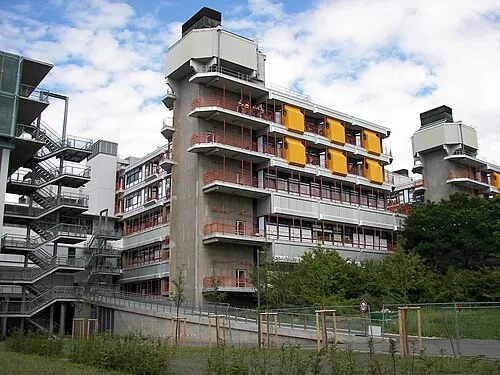 22 programs
Philipps-Universität Marburg (Marburg University)
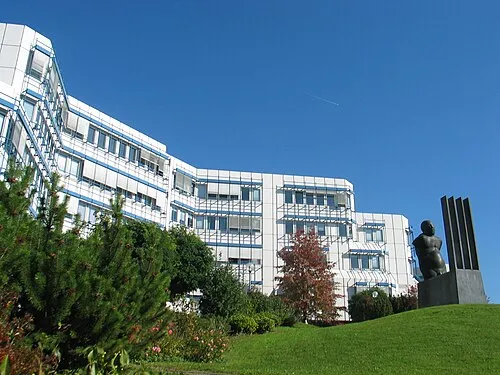 19 programs
Universität Trier
 18 programs
Heinrich-Heine-Universität Düsseldorf
 18 programs
Universität Regensburg
Best cities for Languages & Culture
All cities →Cities offering the most programs in this field. Compare the Sperrkonto burden, cost of living and student life with the cost calculator.
Languages & Culture by degree
Bachelor Programs (408)
All →Afrikanische Sprachen und Kulturen - sprachenintensiviert
@ Hamburg University of Applied Sciences
Afrikanische Sprachen und Kulturen im Vergleich
@ Hamburg University of Applied Sciences
Afrikanische Sprachen, Medien und Kommunikation
@ Johannes Gutenberg-Universität Mainz
Allgemeine Sprachwissenschaft
@ Hamburg University of Applied Sciences
Allgemeine Sprachwissenschaft
@ Georg-August-Universität Göttingen
Allgemeine Sprachwissenschaft
@ Eberhard Karls Universität Tübingen
Allgemeine und Vergleichende Literaturwissenschaft
@ Freie Universität Berlin
Allgemeine und Vergleichende Literaturwissenschaft
@ Ruhr-Universität Bochum
Altertumswissenschaften/ Altorientalistik
@ Freie Universität Berlin
Altertumswissenschaften/ Klassische Archäologie
@ Freie Universität Berlin
Altorientalische Philologie
@ Eberhard Karls Universität Tübingen
Altorientalistik
@ Georg-August-Universität Göttingen
Professions in Languages & Culture (176)
All →Alte Musik (grundständig)
StudientypGrundständiges StudiumStudienmöglichkeitenKunst- und MusikhochschuleAbschlussBachelor of Music (B.Mus.)Regelstudienzeit3-4 Jahre
Alte Musik (weiterführend)
Animationskünstler/Animationskünstlerin
Ankleider/Garderobier / Ankleiderin/Garderobiere
Arrangeur/Arrangeurin
Artist/Artistin
BerufstypAusbildungsberufAusbildungsartSchulische Ausbildung an Berufsfachschulen (landesrechtlich geregelt)AusbildungsdauerMindestens 3 Jah...
Astrologe/Astrologin
Audio-, Sounddesign (grundständig)
StudientypGrundständiges StudiumStudienmöglichkeitenFachhochschule, Kunst- und MusikhochschuleAbschlüsseBachelor of Arts (B.A.), Bachelor of...
Audio-, Sounddesign (weiterführend)
Audio-Engineer
BerufstypAusbildungsberuf AusbildungsartSchulische Ausbildung an unterschiedlichen Bildungseinrichtungen (intern geregelt)AusbildungsdauerUn...
Audiodesigner/Audiodesignerin - Musik
Audiodesigner/Audiodesignerin - Musik (Ausbildung)
BerufstypAusbildungsberuf AusbildungsartSchulische Ausbildung an unterschiedlichen Bildungseinrichtungen (intern geregelt)Ausbildungsdauer2...
Master Programs (269)
All →Academic German Preparation Course Munich: Intensive Courses
@ Internationale Hochschule SDI München
Academic German Preparation Course Munich: Intensive Courses at the International University Munich
@ Internationale Hochschule SDI München
African Languages and Cultures/ Afrikanische Sprachen und Kulturen
@ Hamburg University of Applied Sciences
Allgemeine und vergleichende Literaturwissenschaft
@ FH Münster University of Applied Sciences
Allgemeine und Vergleichende Literaturwissenschaft
@ Universität des Saarlandes
Allgemeine und Vergleichende Literaturwissenschaft
@ Bergische Universität Wuppertal
Allgemeine und Vergleichende Sprachwissenschaft
@ Universität Regensburg
Altorientalische Sprachen und Kulturen
@ Julius-Maximilians-Universität Würzburg
Altorientalistik
@ Ludwig-Maximilians-Universität München
Altorientalistik – Kultur- und Religionsgeschichte des Alten Orients
@ Philipps-Universität Marburg
Angewandte Kulturwissenschaft und Kultursemiotik
@ Fachhochschule Potsdam
Angewandte Kulturwissenschaften
@ Universität des Saarlandes