Greifswald
Mecklenburg-Vorpommern 🏘️ Küçük
Located in northeastern Germany, right on the Baltic Sea (Ostsee), Greifswald is both a historic Hanseatic city and a well-established university town. As one of the gems of the Mecklenburg-Vorpommern state, it's particularly appealing to students seeking a calm, nature-rich environment with an affordable cost of living. Thanks to the University of Greifswald (Universität Greifswald), the city boasts a young and dynamic population, offering students a high-quality education alongside a unique living experience. Situated where the Ryck River flows into the Baltic Sea, Greifswald provides a peaceful and inspiring setting for anyone looking to study in Germany, with its historic buildings, green spaces, and proximity to the coast. In this guide, we'll explore student life, university facilities, and the attractions the city has to offer in Greifswald.
Quick Facts
- City Name
- Greifswald
- State
- Mecklenburg-Vorpommern
- Population
- ~59.000 (2018 data)
- Number of Universities
- 1 (Universität Greifswald)
- Coastal Access
- Yes (Baltic Sea)
- Key Feature
- University and Hanseatic City
- Distance to Polish Border
- ~80 km
- Total Programs
- 132
Greifswald: Historic Charm and Modern Student Life
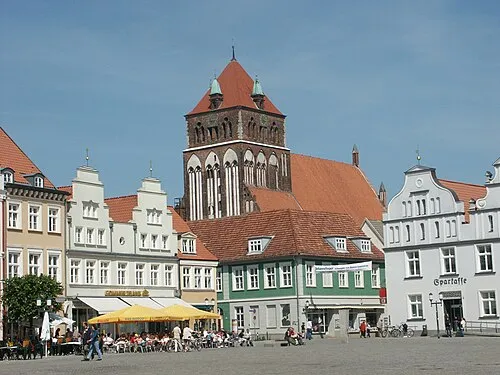
Greifswald is a renowned educational hub, boasting a venerable university (Universität Greifswald) founded in 1456. The city was also a significant member of the powerful Hanseatic League, which shaped North European trade during the Middle Ages. This rich history is deeply embedded in the city's architecture and cultural fabric. Red-brick Gothic buildings, narrow streets, and the historic market square (Marktplatz) give Greifswald its unique atmosphere.
As the fourth-largest city in the state of Mecklenburg-Vorpommern, Greifswald follows Rostock, Schwerin, and Neubrandenburg. However, with a large portion of its population being students, the city gains a youthful and dynamic energy. Students actively participate in the city's cultural and social life, making Greifswald a vibrant and student-friendly place. Its location, proximity to the Baltic Sea, and easy access to popular islands like Rügen and Usedom offer students many natural beauties and activities to explore in their free time. When you study in Greifswald, you'll experience both a historic ambiance and modern student amenities.
Universität Greifswald: A Deep-Rooted Educational Tradition
At the heart of Greifswald lies the Universität Greifswald, one of Germany's oldest universities, providing continuous education since 1456. This venerable institution offers students a personalized educational experience within its small, intimate campus environment. The university provides a total of 132 different programs across five faculties: Law and Economics, Medicine, Arts and Humanities, Mathematics and Natural Sciences, and Theology. It's particularly well-known for its programs in medicine, law, and natural sciences.
The university's modern research facilities, extensive libraries, and international collaborations ensure a high-quality academic environment for students. Students studying in Greifswald generally appreciate the university's broad program offerings and international student support services. The university organizes various clubs, sports facilities, and events to support students' social and cultural development. This makes Greifswald an ideal choice for anyone looking to study in Germany, offering both academic excellence and a rich student life.
Life Intertwined with Nature and the Sea
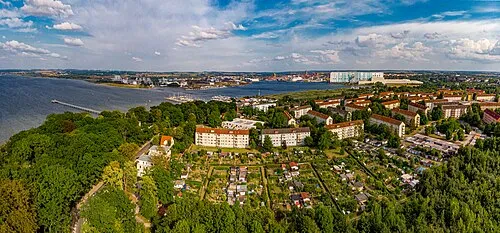
One of Greifswald's most appealing features is undoubtedly its life intertwined with nature and the sea. The city is located on the shores of the Greifswalder Bodden, where the Ryck River opens into the Baltic Sea. This geographical location offers students opportunities to enjoy water sports like sailing, canoeing, and rowing. The nearby Eldena Abbey Ruins (Klosterruine Eldena) and surrounding green areas are popular spots for picnics, walks, or simply relaxing.
Greifswald is also quite close to Germany's largest islands, Rügen and Usedom. These islands are ideal for weekend getaways, offering students unforgettable experiences with their magnificent beaches, natural parks, and cycling routes. Within the city, you'll also find extensive parks and botanical gardens (Botanischer Garten). These natural beauties are crucial elements that enhance the quality of life in Greifswald and help students de-stress from their studies. Biking is one of the most popular ways to get around the city, and its flat terrain makes it easy to reach anywhere.
Monthly Cost of Living (Estimated)
Places to Visit and Student Hangouts
The heart of the city, a lively square surrounded by historic buildings. Ideal for cafes and events.
One of Greifswald's most impressive Gothic structures, forming the city's skyline.
A picturesque harbor area on the Ryck River, where historic sailing ships are moored.
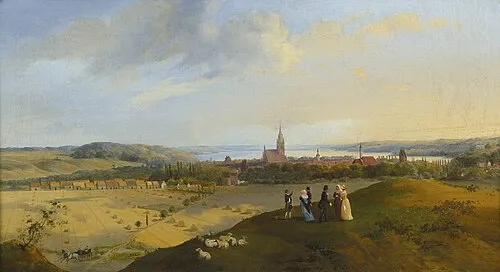
A peaceful and historic area outside the city, which inspired paintings by Caspar David Friedrich.
A large and tranquil garden belonging to the university, home to various plant species.
A popular beach and recreation area for swimming and sunbathing in the summer.
A modern library with extensive resources, a favorite spot for students to study.
Student Life and Culture
Despite being a smaller city, Greifswald boasts a vibrant student culture. The university's influence on the city is so significant that it truly makes Greifswald a student town. Beyond the numerous events organized by the university, students enrich their social lives through various clubs, sports groups, and cultural organizations. Bars and cafes in the city center become popular meeting spots for students in the evenings.
Biking culture is very strong in Greifswald; it's the most practical and enjoyable way to get around the city. Thanks to its flat terrain and well-maintained bike paths, students can easily reach the campus, city center, or the Baltic Sea coast. Additionally, the Semesterticket (semester public transport pass), which is often included in university fees or very affordable, allows students to use public transportation within the state for free or at a reduced rate. This makes it easy for them to explore other nearby cities and natural attractions. With its friendly atmosphere, affordable cost of living, and nature-integrated student life, Greifswald offers a unique experience for anyone looking to study in Germany.
- Bike-friendly city: Biking is a common mode of transport.
- Vibrant student community and numerous student events.
- Proximity to the Baltic Sea for water sports and nature activities.
- Easy intra-state transportation with the Semesterticket.
- Affordable cost of living, especially for rent.
Frequently Asked Questions
How does the **cost of living** in Greifswald compare to other German cities? ▼
Greifswald has a significantly more affordable cost of living compared to larger German cities. Rent and transportation expenses, in particular, are lower, allowing students to manage their budgets more comfortably.
Which programs are popular at the University of Greifswald? ▼
The Universität Greifswald is known for its programs, especially in medicine, law, natural sciences (biology, chemistry, physics), and humanities (German language and literature, history).
What are the transportation options in the city? ▼
The most popular mode of transport in Greifswald is cycling. The city is flat and has good bike paths. Additionally, students can typically use public transportation (buses) with the Semesterticket, which is often included in university fees.
Are there social activities for students in Greifswald? ▼
Yes, Greifswald has numerous student clubs, sports groups, and cultural events. The university and student associations organize parties, festivals, and cultural activities throughout the year. Water sports are also popular due to its proximity to the Baltic Sea.
What is the climate like in Greifswald? ▼
Located on the Baltic Sea coast, Greifswald has a mild maritime climate. Summers are generally cool and pleasant, while winters are not extremely cold but can be windy and humid. You'll experience all four distinct seasons.
What advantages does its proximity to Poland offer? ▼
Greifswald's location, approximately 80 km from the Polish border, offers students the opportunity to easily visit the neighboring country and experience a different culture. Day trips or weekend excursions to Polish cities like Szczecin, for example, are easily arranged.
Take the first step to make your dreams of studying in Germany a reality in Greifswald! Learn more about the application processes with AlmanyaUni and reach your dream program. Click now to get in touch with our expert advisors!
Greifswald — Gallery
Universities in Greifswald (1)
- Universität Greifswald
Useful Links
Housing options in Greifswald
All providers →Providers & platforms (2)
Private dorms + booking platforms
Strategy: Apply to STW early (long waiting list); check private providers in parallel. Housing guide →
Strongest fields in Greifswald
All fields →Popular programs in Greifswald
All programs →Art and design - First state examination for teaching qualification
@ Universität Greifswald
Art and design - First state examination for the Teaching Qualification for regional schools
@ Universität Greifswald
Art and design - I. State examination for teaching at primary schools
@ Universität Greifswald
Art history
@ Universität Greifswald
Art history Bachelor of Arts
@ Universität Greifswald
Baltic studies - Bachelor of Arts
@ Universität Greifswald
Betriebswirtschaftslehre - Bachelor of Arts
@ Universität Greifswald
Bilingual Teaching and Learning Minor subject for teaching qualifications
@ Universität Greifswald
Universities in Greifswald
1 universities in this city

Student Experiences
Share yours too →No experience shared yet.
Be the first to share an experience about Greifswald and help other students.
Share your experienceDon't miss events in Greifswald
A weekly email with new concerts, theatre and cultural events.
Popular searches in Greifswald
Filtered program lists for common queries