
Max Planck Institute for Human Cognitive and Brain Sciences
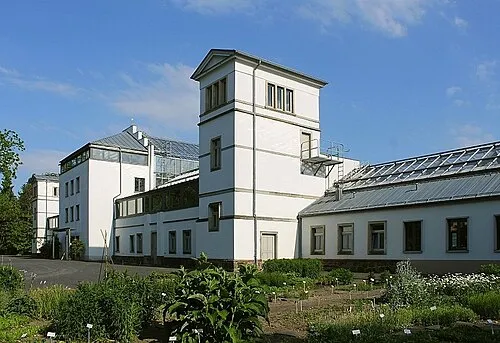
At the heart of science and research in Germany, the Max Planck Institute for Human Cognitive and Brain Sciences, renowned for its groundbreaking work, especially in human cognition and brain sciences, is a significant destination for Turkish students aiming for an academic career in Germany. Located in Leipzig, this prestigious research institute hosts PhD candidates and offers specific bachelor's programs for those looking to contribute to global science. For students searching for universities and research institutes in Germany, topics like "visa appointment" processes, "language course" requirements, and living conditions in Germany are crucial. This page aims to explore the Max Planck Institute and student life in Leipzig from the perspective of Turkish students, answering frequently asked questions and guiding you on your academic journey in Germany.
Quick Facts
- Institution Name
- Max Planck Institute for Human Cognitive and Brain Sciences
- City
- Leipzig
- State
- Sachsen
- Institution Type
- Public Research Institute (Member of Max Planck Society)
- Main Focus Area
- Human Cognition and Brain Sciences
- Programs Offered
- Doctorate (PhD), Bachelor's (According to DB data)
- HRK Membership
- No
- Uni-Assist Membership
- No
Max Planck Institute: At the Heart of Scientific Excellence
The Max Planck Society is one of Germany's most respected and globally leading research institutions. The Max Planck Institute for Human Cognitive and Brain Sciences, as a key member of this society in Leipzig, conducts in-depth research on topics like human brain function, cognitive processes, language, music, and social behavior. With state-of-the-art laboratories and internationally recognized scientists, the institute aims to train future researchers, especially through its PhD programs.
For you, this means not just an educational institution, but also an opportunity to develop yourself in an international research environment and contribute to the global scientific community. Information about the bachelor's programs offered by the institute might indicate a special collaboration or a niche area, given its research-focused structure; it's critically important for applicants to get current and detailed information from the official website. For those aiming for a scientific career in Germany, the Max Planck Institutes are a symbol of academic excellence and innovative research.
Leipzig: Where Science, Culture, and Student Life Meet
Leipzig, home to the Max Planck Institute, is a city in eastern Germany known for its historical charm, vibrant cultural life, and young population. Also known as the "City of Music," Leipzig hosted composers like Bach and Mendelssohn, and today remains a cultural hub with numerous concert halls, theaters, and art galleries. With its student-friendly atmosphere and affordable cost of living, it's an attractive option for Turkish students considering to study in Germany.
The presence of many universities and research institutions in the city offers rich opportunities for academic collaborations and building social networks. Leipzig offers plenty of "language course" opportunities, which Turkish students often wonder about, and these are an important step for adapting to the city. Furthermore, despite potential challenges you might face during "visa appointment" and adaptation processes in Germany, Leipzig's international student community and supportive environment can help ease these transitions.
Monthly Cost of Living (Estimated)
Places to Visit and Student Hangouts
One of Leipzig's most iconic structures, this monument commemorates the Battle of the Nations in 1813 and offers panoramic views of the city.
This historic church, where Johann Sebastian Bach served as choirmaster and where his grave is located, is an important stop for music lovers.
One of the city's largest parks, it's a popular spot for picnics, sports, and relaxation, especially during the summer months.
Built on the ruins of an old fortress, this vibrant venue serves as Leipzig University's student club and cultural center.
Considered one of the world's most modern zoos, it's particularly famous for its Gondwanaland tropical rainforest exhibit.
Student Life and Culture
Leipzig is a true student city with a young and dynamic population. While PhD students at the Max Planck Institute are often in an international environment and a demanding research pace, you can still benefit from the social and cultural opportunities the city offers. The presence of Leipzig University and other higher education institutions creates a vibrant student community in the city.
Student clubs, sports events, music festivals, and numerous cafes and bars offer many options for students to spend their free time. Student venues like Moritzbastei, in particular, encourage social interaction by bringing together students from different disciplines. Bicycle use is common in the city, and the public transportation network is well-developed, allowing you to easily explore Leipzig. With its affordable cost of living and rich cultural calendar, Leipzig offers an enjoyable student experience alongside your academic career.
- Vibrant and multicultural student community
- Affordable cost of living
- Rich cultural and artistic events
- Developed public transport network and bike-friendly city
- Numerous student clubs and meeting points
Frequently Asked Questions
Do I have a 20-hour work permit while studying for a master's in Germany, and can I work for places like Lieferando? ▼
Yes, full-time master's students in Germany generally have a work permit for up to 140 working days a year (Arbeitstagekonto; a day of up to 4 hours counts as half a day; during the lecture period, a week of up to 20 hours can instead be counted as 2.5 working days). It's possible to work for platforms offering flexible work, like Lieferando, but it's important to check local regulations and tax obligations.
Are applications for the September 2023 master's intake closed? Can I apply for the February 2024 intake at the earliest? ▼
Generally, application deadlines for German universities' winter semester (September/October) close between April and July. Spring semester (February/March) applications usually open between July and September. Therefore, it's likely that applications for the September 2023 intake have closed, and you'd need to apply for the February 2024 intake at the earliest. You should check the official application deadline for your specific program for exact dates.
What kind of questions are usually asked in a master's visa interview, and are the German questions advanced level? ▼
In master's visa interviews, you'll typically be asked about your motivation, reasons for studying in Germany, financial situation (details about your blocked account (Sperrkonto)), your post-study plans, and why you chose Germany. The German language level required can vary depending on the program you applied for and the consular officer; however, a B1/B2 level where you can express yourself comfortably is usually sufficient. Sometimes, for English-taught programs, questions might also be asked in English.
Are there universities that offer conditional admission for Computer Science (Informatik) with a B1-B2 German level? ▼
Yes, some universities in Germany can offer conditional admission (bedingte Zulassung) for certain programs with a B1 or B2 level of German. In this case, you would be expected to reach a C1 level and pass a language exam within a specific period after arriving in Germany. Opportunities like this might exist for popular fields like Computer Science (Informatik), but this varies from university to university and program to program. Checking the official websites of universities or through Uni-Assist will provide the most accurate information.
How many days does it currently take on average to get a visa appointment from Idata? ▼
The time it takes to get a visa appointment from Idata varies significantly depending on the application period, the consulate's workload, and the visa type. During peak seasons, these waiting times can be weeks or even months. For the most current and accurate information, it's recommended that you regularly check Idata's official website or contact Idata directly.
Are you aiming for a scientific career at the Max Planck Institute for Human Cognitive and Brain Sciences? Visit our other pages to learn more about studying and living in Germany, or join our community to get support from experienced students!
Max Planck Institute for Human Cognitive and Brain Sciences — Images
Programs
Location
Sources
Programs & Departments
2 active programs · 2 English · 0 NC-frei
Showing 1–2 of 2 programs
Bachelor
PhD
Leipzig
State: Saxony
Leipzig: Where History Meets Modern Life
Located in the heart of Central Germany, Leipzig is the largest and most populous city in the state of Saxony. Throughout its history, it has been a s...
more →Student Life and Culture
Leipzig boasts a vibrant student culture, thanks to its young and dynamic population. With numerous universities and colleges, it's one of Germany's k...
more →More about Leipzig
Cost of living, housing, transport, student life and all universities.
Student Experiences
Share yours too →No experience shared yet.
Be the first to share an experience about Max Planck Institute for Human Cognitive and Brain Sciences and help other students.
Share your experienceOther universities in Leipzig
All → Public
Universität Leipzig
30,528 students
 Public
Hochschule für Technik, Wirtschaft und Kultur Leipzig
6,431 students
 Public
Hochschule für Musik und Theater „Felix Mendelssohn Bartholdy“ Leipzig
1,166 students

HHL Leipzig Graduate School of Management
698 students
 Public
Hochschule für Grafik und Buchkunst Leipzig
542 students
Student Reviews
Verified reviews from current students, alumni and applicants.
No reviews yet. Be the first!
Verified students and alumni can share their experience below.
Write a review about Max Planck Institute for Human Cognitive and Brain Sciences Open form ↓
How do I apply to Max Planck Institute for Human Cognitive and Brain Sciences as an international student?
Non-EU applicants apply via uni-assist (document verification + APS certificate for some countries). EU applicants apply directly. You need a recognised degree, language certificate, motivation letter and CV. After admission, open a Sperrkonto and book a visa appointment at your local German embassy.
- Pick a programme — Browse the programme list above — filter by language, degree, field.
- Verify your eligibility — Check Anabin/APS for your country and degree-equivalence rules.
- Get language certificate — TestDaF/DSH for German, IELTS/TOEFL for English-taught programmes.
- Apply via uni-assist or directly — Submit by 15 July (winter) / 15 January (summer) deadlines.
- After admission: Sperrkonto + visa — Open the blocked account, get health insurance, attend embassy interview.