Cottbus
Brandenburg 🏘️ Küçük
Cottbus stands out in eastern Germany as the second-largest city in the state of Brandenburg, right after Potsdam. With a population of around 100,000, it's becoming a rising star for students looking to study in Germany. The city is home to a well-established public university, Brandenburgische Technische Universität Cottbus-Senftenberg (BTU), which offers a wide range of programs in engineering, natural sciences, and architecture. With its calm atmosphere, green spaces, and location along the Spree River, Cottbus offers an ideal option for those who want to focus on academic success while enjoying student life with affordable living costs. Its historical character, modern life blended with Sorb culture, and growing student community make Cottbus a welcoming place for any student ready to start a new chapter in Germany.
Quick Facts
- Population
- 99.678 (2019)
- State
- Brandenburg
- Number of Universities
- 2 (Public)
- Total Programs
- 140
- Key Universities
- Brandenburgische Technische Universität Cottbus-Senftenberg, Medizinische Universität Lausitz – Carl Thiem
- Location
- Eastern Germany, on the Spree River
- Key Feature
- Second-largest city in Brandenburg state
University Education and Academic Environment in Cottbus
Cottbus is an attractive hub for students looking to pursue engineering and technical sciences in Germany, largely thanks to Brandenburgische Technische Universität Cottbus-Senftenberg (BTU). BTU offers a broad spectrum of bachelor's and master's programs, providing students with modern laboratories and research opportunities. Popular fields like architecture, urban planning, environmental engineering, energy technologies, and computer sciences draw significant interest from international students. Another important educational institution in the city is Medizinische Universität Lausitz – Carl Thiem, which offers significant opportunities for those aiming for a career in health sciences. Cottbus's academic environment stands out with its student-focused approach and the friendly atmosphere that comes with being a relatively smaller city. Easy access between classrooms and campuses helps students adapt more comfortably to academic life. Furthermore, the universities' strong connections with industry and research institutions open valuable doors for students regarding internships and career prospects.
Geographical and Cultural Features of Cottbus
Located in eastern Germany, in the Lower Lusatia (Niederlausitz) region, Cottbus is a city known for its natural beauty and rich cultural heritage. Situated on the banks of the Spree River, the city is also known for its proximity to Cottbuser Ostsee, Germany's largest artificial lake. This lake offers students opportunities for water sports and relaxation. Cottbus also has a distinct identity due to being home to the Sorbian people, featuring bilingual signs (German and Lower Sorbian) and unique cultural events. The city's historical center, with its churches showcasing beautiful examples of Gothic architecture and restored buildings, awaits exploration. Branitzer Park, designed by Prince Pückler with its unique landscape architecture, is considered one of Europe's most beautiful parks and offers students a peaceful escape. The city's overall atmosphere is calm and peaceful, making it ideal for students who want to relax and be close to nature amidst a demanding study schedule.
Transportation and City Life
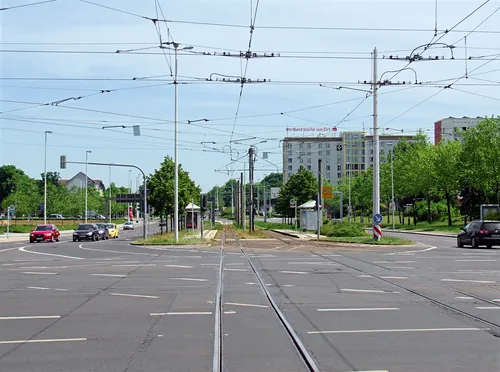
Getting around Cottbus is quite easy and student-friendly. The city's public transportation network is well-organized with bus and tram lines. One of the biggest advantages for university students is the Semesterticket, which is usually included in your university fees (Semesterbeitrag). This ticket allows you to use public transport for free or at very low costs within the state of Brandenburg and even certain areas of Berlin. This lets you explore not just the city itself, but also surrounding towns and Berlin. Cottbus is also very suitable for cycling due to its flat terrain. There are many bike paths in the city, and cycling is a popular mode of transport for students in their daily lives. The city center offers a vibrant social life with cafes, restaurants, and shopping opportunities. Student dorms and shared apartments (WG - Wohngemeinschaft, a shared living arrangement) are typically located close to the university or city center, which helps students save time and money.
Estimated Monthly Cost of Living
Places to Visit and Student Hangouts
Designed by Prince Pückler, this is one of Europe's most beautiful parks, featuring pyramids and unique landscape architecture.
The city's historic market square, a lively hub hosting various cafes, restaurants, and events.
Germany's largest artificial lake, offering swimming, sailing, and other water sports, plus relaxation opportunities in summer.
An impressive example of Art Nouveau architecture, this state theater hosts various performing arts shows.
A unique wetland and UNESCO Biosphere Reserve, famous for canoe trips and natural beauty. (Near Cottbus)
Brandenburgische Technische Universität's modern library offers students a wide range of resources and a conducive study environment.
Student Life and Culture
Despite being a smaller city, Cottbus boasts a vibrant and multicultural student life, largely thanks to Brandenburgische Technische Universität (BTU). The student community here brings together young people from various nations. Student clubs and organizations arrange a wide range of activities, from sports events to cultural festivals. Thanks to the Semesterticket, students can easily reach Brandenburg state and Berlin, which opens up more options for social activities. Cottbus's calm atmosphere provides an ideal environment for students to focus on their studies, while also offering opportunities to connect with nature on weekends and during free time. Walking along the Spree River, picnicking in Branitzer Park, or spending time at Cottbuser Ostsee are popular student activities. While nightlife might be more modest compared to Berlin or other major cities, you'll find student-friendly bars and cafes in the city center and around the university.
- Multicultural and international student environment
- Free public transport within the state with Semesterticket
- Relaxation and sports opportunities amidst nature (Spree River, Cottbuser Ostsee)
- Calm and peaceful study environment
- Widespread and practical bicycle use
Frequently Asked Questions
How do living costs in Cottbus compare to other German cities? ▼
Cottbus offers more affordable living costs compared to many cities in eastern Germany. It's quite economical, especially for rent and daily expenses, when you compare it to major cities like Berlin or Munich.
Which fields are Brandenburgische Technische Universität (BTU) strong in? ▼
BTU Cottbus-Senftenberg has a strong academic foundation, particularly in engineering (electrical, mechanical, environmental), architecture, urban planning, computer sciences, and natural sciences.
What are the opportunities for finding part-time jobs as a student in Cottbus? ▼
Student jobs can often be found within the university (Hiwi positions), in local restaurants, cafes, or the retail sector. German language skills will definitely improve your chances of finding work.
Is there a Turkish student community in the city? ▼
Besides international students, Cottbus also has a Turkish student community. You can connect with these groups through the university's international offices or student organizations.
How long does it take to get from Cottbus to Berlin and how do you travel? ▼
You can reach Berlin from Cottbus by train in about 1.5 to 2 hours. The Semesterticket usually covers these train journeys, which is a big advantage for students.
What is Cottbuser Ostsee and what opportunities does it offer students? ▼
Cottbuser Ostsee is Germany's largest artificial lake, created by filling an former lignite mine. In summer, it offers students water sports like swimming, sailing, and rowing, as well as recreational activities like walking and cycling around the lake.
Ready to take the first step towards your university dreams in Cottbus? Contact AlmanyaUni expert advisors and simplify your application process!
Cottbus — Gallery
Universities in Cottbus (2)
- Brandenburgische Technische Universität Cottbus-Senftenberg
- Medizinische Universität Lausitz – Carl Thiem
Useful Links
Housing options in Cottbus
All providers →Providers & platforms (2)
Private dorms + booking platforms
Strategy: Apply to STW early (long waiting list); check private providers in parallel. Housing guide →
Strongest fields in Cottbus
All fields →Popular programs in Cottbus
All programs →AI
@ Brandenburgische Technische Universität Cottbus-Senftenberg
AI Bachelor of Science
@ Brandenburgische Technische Universität Cottbus-Senftenberg
AI Engineering
@ Brandenburgische Technische Universität Cottbus-Senftenberg
AI Engineering Bachelor of Science
@ Brandenburgische Technische Universität Cottbus-Senftenberg
Angewandte Mathematik
@ Brandenburgische Technische Universität Cottbus-Senftenberg
Angewandte Naturwissenschaften
@ Brandenburgische Technische Universität Cottbus-Senftenberg
Applied Mathematics
@ Brandenburgische Technische Universität Cottbus-Senftenberg
Architecture
@ Brandenburgische Technische Universität Cottbus-Senftenberg
Universities in Cottbus
3 universities in this city


Articles about Cottbus
Blog →Student Experiences
Share yours too →No experience shared yet.
Be the first to share an experience about Cottbus and help other students.
Share your experienceDon't miss events in Cottbus
A weekly email with new concerts, theatre and cultural events.
Popular searches in Cottbus
Filtered program lists for common queries
English-taught programs in Cottbus
All English Bachelor/Master programs
Mathematics & Natural Sciences in Cottbus
33 programs
Engineering in Cottbus
31 programs
Social Sciences in Cottbus
27 programs
Computer Science in Cottbus
19 programs
Arts & Design in Cottbus
14 programs
Law & Economics in Cottbus
10 programs
Medicine & Health in Cottbus
8 programs