Max Planck Institute of Immunobiology and Epigenetics
The Max Planck Institutes, the heart of scientific research in Germany, are globally recognized centers of excellence. Specifically, the Max Planck Institute of Immunobiology and Epigenetics in Freiburg im Breisgau hosts groundbreaking work in immunology and epigenetics. Located in the state of Baden-Württemberg, this prestigious research institute offers unique doctoral (PhD) and certain bachelor's programs for students aiming for a career in natural sciences.
Rather than a traditional university structure, the institute provides an intense research-focused environment, giving students the opportunity to be at the forefront of scientific discovery. If you're targeting a scientific career in Germany, the Max Planck Institute of Immunobiology and Epigenetics isn't just an educational institution; it's a chance to become part of an international research community. You'll also find answers to common questions students ask, like how to get a visa appointment and what language proficiency you need, right here in this guide.
Quick Facts
- Institute Name
- Max Planck Institute of Immunobiology and Epigenetics
- City
- Freiburg im Breisgau
- State
- Baden-Württemberg
- Type
- Public Research Institute
- Programs Offered
- Doctoral (PhD), Bachelor's
- HRK Member
- No
- Uni-Assist Member
- No
Max Planck Institute of Immunobiology and Epigenetics: The Heart of Research
As its name suggests, the Max Planck Institute of Immunobiology and Epigenetics (MPI-IE) is a world-leading institution conducting pioneering research in immunology and epigenetics. As part of the Max Planck Society, the institute focuses on fundamental scientific questions, aiming to generate in-depth knowledge about human health and diseases. Its research groups investigate topics like the development and functions of immune system cells, the epigenetic regulation of gene expression, and how these processes relate to diseases.
You'll find advanced knowledge and technological infrastructure here, especially in natural sciences and computer science (with bioinformatics applications). For you, pursuing a doctorate here means working with cutting-edge technologies in an international research environment and collaborating with expert scientists in the field. The institute typically opens its doors to international students through its English-taught doctoral programs. The bachelor's program is quite specific and usually offered as part of joint programs, so it's crucial to get detailed information before applying.
Freiburg im Breisgau: Student Life in the Green City
Freiburg im Breisgau, home to the Max Planck Institute of Immunobiology and Epigenetics, is a sunny, eco-friendly city located in Germany's southwest, at the foot of the Black Forest (Schwarzwald). It stands out for its high quality of life, historic charm, and modern student vibe. Thanks to the Albert Ludwig University, the city has a vibrant student population, which provides a rich social and cultural environment for research students at MPI-IE.
Freiburg is particularly known for its widespread bicycle use, abundant green spaces, and strong commitment to sustainability. You'll find plenty of cafes, bars, and cultural events for students. The city offers an inclusive environment for people of all ages and cultures, including those wondering about studying for a bachelor's in Germany over 25. If you want to live close to nature while focusing on your academic career, Freiburg is an ideal choice.
Study in Germany and Visa Processes: What You Need to Know
Studying at a Max Planck Institute in Germany, especially for doctoral programs, can involve different processes than traditional university applications. Since MPI-IE is not a member of uni-assist (a service institution for international student applications), applications are usually made directly to the institute. One of the most common concerns for students is the visa appointment process, which is an integral part of studying in Germany.
As often discussed in Telegram groups and forums, appointment wait times can vary seasonally and may be long. Therefore, it's recommended that you apply for your visa as soon as possible after receiving your acceptance letter. Additionally, language courses and proficiency are important.
While most doctoral programs at MPI-IE are English-taught programs, knowing German for daily life is a huge advantage. During visa interviews, you'll typically be asked about your motivation, financial situation, and your educational goals in Germany. Your German language level will be assessed based on the program's language; advanced German isn't required for English programs, but basic communication skills are helpful.
As a master's or doctoral student in Germany, you have permission to work up to 20 hours per week. This permit can be used for platforms like Lieferando, but your education should always be your priority.
Monthly Cost of Living (Estimated)
Places to Visit and Student Hangouts
An impressive example of Gothic architecture located in the heart of the city.
A hill offering panoramic city views, with hiking trails and a beer garden.
Small water channels flowing through Freiburg's narrow streets, a symbol of the city.
An important museum housing artworks ranging from the Middle Ages to the 19th century.
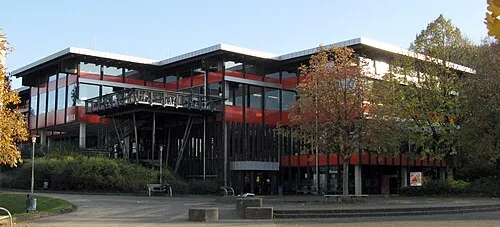
A learning center frequently used by students, known for its modern architecture and extensive resources.
A large park ideal for relaxing, exercising, and spending time by the lake.
Student Life and Culture
The student culture at the Max Planck Institute of Immunobiology and Epigenetics revolves around an intensive research environment and an international community. Doctoral students typically work independently on their projects, but they're also constantly interacting through seminars, workshops, and lab meetings. The institute serves as a meeting point for researchers and students from various countries, fostering cultural diversity and international collaboration.
Freiburg's general student atmosphere extends to the institute's students; the city's numerous student clubs, sports activities, and cultural events allow you to strike a social balance alongside your academic life. Especially if you're working in natural sciences, you'll find plenty of opportunities for outdoor sports and activities thanks to the proximity to the Black Forest.
- International research community and collaboration opportunities
- Continuous academic development through intensive seminars and workshops
- Easy access to Freiburg's vibrant student life and cultural events
- Bicycle culture and eco-friendly lifestyle
- Opportunities for outdoor sports thanks to proximity to the Black Forest
Frequently Asked Questions
Do I have a work permit as a master's/doctoral student in Germany, and can I work for places like Lieferando? ▼
Yes, as a master's or doctoral student in Germany, you have permission to work up to 20 hours per week. You can use this permit for platforms like Lieferando or other student jobs. However, remember that your education should always be your priority.
I have a visa appointment, but my B1 exam results are delayed. I have an A2 certificate, what should I do? ▼
Instead of postponing your visa appointment, it's generally better to present your existing A2 certificate and explain the situation with a document (like an exam registration slip) stating that your B1 results are pending. The consulate officials will evaluate your situation. Still, make sure you meet the language level required by your program.
What kind of questions are asked during a master's/doctoral visa interview? Is the German language level important? ▼
During visa interviews, you'll typically be asked about your motivation for studying, how you'll cover your cost of living in Germany (e.g., with a blocked account (Sperrkonto) or scholarship), your post-graduation plans, and why you chose Germany. Since doctoral programs at the Max Planck Institute are usually English-taught, advanced German isn't a strict requirement, but basic German for daily communication is beneficial. The interview can be conducted in the program's language (usually English).
I requested a visa appointment through Idata, but it hasn't been assigned for a long time. Is this normal? Can I choose the appointment location? ▼
Visa appointment assignments through Idata can vary seasonally and may take a long time (several weeks or even months) due to demand. Unfortunately, this can be considered normal. The choice of appointment location is usually determined by your city of residence or the nearest consulate. The Idata system may not offer a specific consulate or city option, but it will direct you based on your registered address.
To learn more about the Max Planck Institute of Immunobiology and Epigenetics or to check out our detailed guides on application processes, visit AlmanyaUni.com!
Max Planck Institute of Immunobiology and Epigenetics — Images
Programs
Location
Sources
Programs & Departments
2 active programs · 2 English · 0 NC-frei
Showing 1–1 of 1 programs
PhD
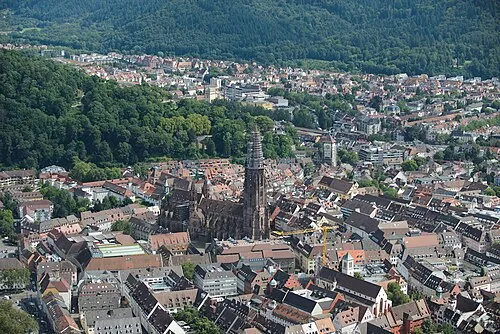
Freiburg im Breisgau
State: Baden-Württemberg
University Education and Program Options in Freiburg
Freiburg im Breisgau stands out as one of Germany's leading educational hubs. The city's eight public universities offer a wide array of Bachelor's an...
more →Freiburg: Where Nature Meets City Life
Freiburg im Breisgau distinguishes itself not only through academic excellence but also its unique geographical location and quality of life. Situated...
more →Student Life and Culture
Freiburg is truly a student city. A significant portion of the city's population consists of students, which directly influences its social and cultur...
more →More about Freiburg im Breisgau
Cost of living, housing, transport, student life and all universities.
Student Experiences
Share yours too →No experience shared yet.
Be the first to share an experience about Max Planck Institute of Immunobiology and Epigenetics and help other students.
Share your experienceOther universities in Freiburg im Breisgau
All →


Student Reviews
Verified reviews from current students, alumni and applicants.
No reviews yet. Be the first!
Verified students and alumni can share their experience below.
Write a review about Max Planck Institute of Immunobiology and Epigenetics Open form ↓
How do I apply to Max Planck Institute of Immunobiology and Epigenetics as an international student?
Non-EU applicants apply via uni-assist (document verification + APS certificate for some countries). EU applicants apply directly. You need a recognised degree, language certificate, motivation letter and CV. After admission, open a Sperrkonto and book a visa appointment at your local German embassy.
- Pick a programme — Browse the programme list above — filter by language, degree, field.
- Verify your eligibility — Check Anabin/APS for your country and degree-equivalence rules.
- Get language certificate — TestDaF/DSH for German, IELTS/TOEFL for English-taught programmes.
- Apply via uni-assist or directly — Submit by 15 July (winter) / 15 January (summer) deadlines.
- After admission: Sperrkonto + visa — Open the blocked account, get health insurance, attend embassy interview.