Max Planck Institute for the Study of Societies
The Max Planck Institute for the Study of Societies (MPIfG), a prestigious research institute located in Cologne, is at the heart of groundbreaking social science research in Germany. Unlike traditional universities, MPIfG specifically opens its doors to international students and researchers for doctoral (PhD) programs and advanced research. If you're looking to pursue a PhD in Germany, delve deep into the social sciences, and develop yourself in an international academic environment, MPIfG could offer you a unique opportunity.
In Cologne's dynamic and multicultural atmosphere, this institute conducts innovative work in fields like sociology, political science, and economics. Among students, topics like master's and PhD education in Germany, language proficiency (such as Goethe B2, Telc), and visa processes (like 40f/36f) are frequently discussed. Beyond these general questions, MPIfG offers a specific roadmap for those aiming for a research-focused career. This page aims to guide you on your academic journey in Germany by answering common questions about the institute's offerings, life in Cologne, and what students frequently ask.
Quick Facts
- Institute Name
- Max Planck Institute for the Study of Societies
- City
- Köln
- State
- Nordrhein-Westfalen
- Type
- Public Research Institute
- Programs Offered
- Doctoral (PhD) Programs
- HRK Member
- No
- Uni-Assist Member
- No
The Max Planck Institute Difference: A World Focused on Research
The Max Planck Institute for the Study of Societies (MPIfG) is part of the Max Planck Society, one of Germany's most respected research organizations. Unlike traditional universities, these institutes focus solely on advanced research and typically do not offer bachelor's or master's programs. Specifically at MPIfG, doctoral programs and research projects in the social sciences, particularly focusing on economic and political sociology, are conducted.
The institute's primary goal is to develop innovative and interdisciplinary solutions to the complex challenges facing contemporary societies. The professors and researchers working here are world-renowned experts in their fields. Questions frequently discussed in forums, such as 'How valuable is a professor?', highlight the immense importance of academic knowledge and the value generated in such research-focused institutions. MPIfG doesn't just impart knowledge to its students and researchers; it also nurtures them into active scientists, supporting them in developing their own projects and building international networks. This is a significant advantage, especially for students considering PhD studies in Germany.
Life in Cologne and the Student Environment
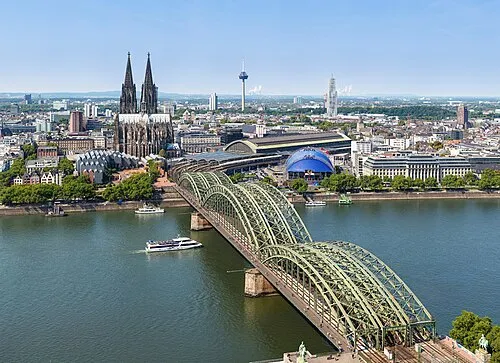
Cologne, home to the Max Planck Institute for the Study of Societies, is one of Germany's oldest and most vibrant cities. Situated on the Rhine River, this metropolis offers students a unique experience with its historical fabric, cultural richness, and modern lifestyle. The city is home not only to research institutes like MPIfG but also to major universities such as the University of Cologne (Universität zu Köln) and TH Köln. This ensures a high and dynamic student population in the city.
The frequent question among students, 'Has anyone applied for a master's at Cologne University of Applied Sciences?', demonstrates how appealing the city is for master's and PhD students. Cologne is also a popular center for language learning; the popularity of topics like 'TH Köln German Course' and 'Goethe B2 Vocabulary List' in forums reflects students' emphasis on improving their language skills. The city offers numerous opportunities that enrich social life alongside academic pursuits, with student-friendly cafes, bars, parks, and cultural events. Thanks to the Semesterticket (semester public transport pass), the ability to use public transportation for free within the state of Nordrhein-Westfalen makes it easy for students to explore the city and its surroundings.
Monthly Cost of Living (Estimated)
Places to Visit and Student Hangouts
The city's symbol and a masterpiece of Gothic architecture, listed as a UNESCO World Heritage site.
Details ↗A significant museum famous for its modern art collection, housing pop art and Picasso works.
Details ↗A popular and peaceful area for walking, cycling, and socializing.
A lively district full of historic buildings, narrow streets, and traditional breweries.
In addition to the Max Planck Institute's own library, it offers access to extensive academic resources.
Details ↗Student Life and Culture
Student life at the Max Planck Institute for the Study of Societies differs from traditional university campuses, focusing more on research and academic collaboration. The institute offers an international environment where PhD students and researchers from all over the world come together to work on multidisciplinary projects. Seminars, workshops, and conferences are central to academic discussions and knowledge exchange. Students have the opportunity to work closely with professors specialized in their fields and receive valuable feedback.
The student culture throughout Cologne, however, is quite vibrant. The city has a strong cycling culture, and its public transportation network is highly developed. Student clubs and organizations offer opportunities to participate in social and cultural activities beyond your academic interests. Researchers at the Max Planck Institute often choose to balance their academic intensity by taking advantage of Cologne's rich social and cultural environment.
- International and multidisciplinary research environment
- Opportunity to work closely with world-renowned professors
- Regular seminars and workshops
- Integration into Cologne's vibrant student life
- Easy transportation by bike and public transport
Frequently Asked Questions
Can I pursue bachelor's or master's studies at the Max Planck Institute for the Study of Societies? ▼
No, the Max Planck Institute for the Study of Societies is not a traditional university. Its focus is on advanced research and doctoral (PhD) programs. For bachelor's or master's studies, you would need to apply to other universities like the University of Cologne (Universität zu Köln) or TH Köln.
What are the language requirements for PhD applications in Germany? ▼
PhD programs are generally offered in English or German. For English-taught programs, an internationally recognized English proficiency certificate like IELTS or TOEFL is required. For German-taught programs or internal institute communication, German certificates such as Goethe B2, C1, or Telc C1 may be requested. Since each institute or program can have its own specific language requirements, it's important to check the official page of the program you plan to apply for.
Can I start a PhD program in Germany with conditional admission? ▼
Conditional admission (e.g., due to language deficiencies) is less common at research-focused institutions like the Max Planck Institute, as PhD programs require a high level of language proficiency. However, some universities might offer conditional admission for master's programs. For PhDs, you are generally expected to have reached the required language level before applying.
What documents are required for a student visa application in Germany? (40f/36f) ▼
For a student visa application in Germany, you generally need documents such as an admission letter, proof of financial capability like a blocked account (Sperrkonto), health insurance, language certificates, and your passport. Terms like '40f' and '36f' might refer to specific sections in the visa application form or types of visas. The visa process can differ for students with conditional admission. For the most current and accurate information, it's recommended to visit the official websites of the German Consulate or Visa Center.
Are there recommended courses for learning German in Cologne? ▼
Yes, there are many options for learning German in Cologne. The Goethe-Institut Köln offers high-quality and intensive courses. Additionally, universities like TH Köln may have their own in-house language courses. Private language schools (e.g., those offering Telc exam preparation courses) are also popular choices. When making your selection, it's beneficial to consider the course intensity, price, and certificate validity.
Are there scholarship opportunities at the Max Planck Institute for the Study of Societies? ▼
Max Planck Institutes typically offer scholarships or research positions to PhD students and researchers within their own structures. These positions are usually tied to a research project and include a salary or stipend sufficient to cover living expenses. Application processes and available opportunities are announced on the institute's official website. Furthermore, organizations like DAAD (German Academic Exchange Service) also provide various scholarships for international students wishing to pursue a PhD in Germany.
Do you need more information to pursue a PhD in social sciences in Germany and explore the exceptional research environment offered by the Max Planck Institute for the Study of Societies? Visit the official website to get detailed information about current programs, application requirements, and scholarship opportunities. At AlmanyaUni, we are happy to support you on your academic journey!
Max Planck Institute for the Study of Societies — Images
Programs
Location
Sources
Programs & Departments
2 active programs · 2 English · 0 NC-frei
Showing 1–2 of 2 programs
Bachelor
PhD
Cologne
State: North Rhine-Westphalia
University Life and Study Opportunities in Cologne
Cologne stands as one of Germany's leading educational hubs, offering students a broad spectrum of academic opportunities. The city is home to 20 univ...
more →Life and Transportation in Cologne
Cologne is a lively and multifaceted city, spread across both banks of the Rhine River. Being the largest city in North Rhine-Westphalia means it's al...
more →Student Life and Culture
Cologne is one of Germany's most student-friendly cities. Thanks to its high concentration of universities, the city has a youthful and dynamic atmosp...
more →More about Cologne
Cost of living, housing, transport, student life and all universities.
Student Experiences
Share yours too →No experience shared yet.
Be the first to share an experience about Max Planck Institute for the Study of Societies and help other students.
Share your experienceOther universities in Cologne
All →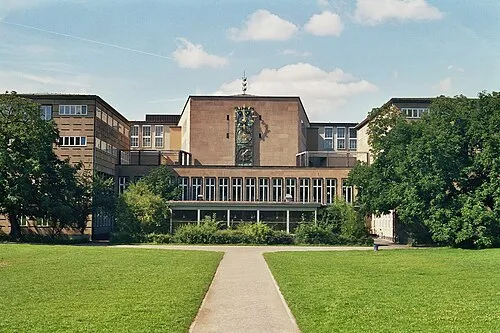 Public
Universität zu Köln
47,238 students
 Public
Technische Hochschule Köln
20,438 students
 Public
Deutsche Sporthochschule Köln
6,117 students

Rheinische Fachhochschule Köln
5,486 students
Katholische Hochschule Nordrhein-Westfalen
5,464 students

CBS University of Applied Sciences
4,454 students
Student Reviews
Verified reviews from current students, alumni and applicants.
No reviews yet. Be the first!
Verified students and alumni can share their experience below.
Write a review about Max Planck Institute for the Study of Societies Open form ↓
How do I apply to Max Planck Institute for the Study of Societies as an international student?
Non-EU applicants apply via uni-assist (document verification + APS certificate for some countries). EU applicants apply directly. You need a recognised degree, language certificate, motivation letter and CV. After admission, open a Sperrkonto and book a visa appointment at your local German embassy.
- Pick a programme — Browse the programme list above — filter by language, degree, field.
- Verify your eligibility — Check Anabin/APS for your country and degree-equivalence rules.
- Get language certificate — TestDaF/DSH for German, IELTS/TOEFL for English-taught programmes.
- Apply via uni-assist or directly — Submit by 15 July (winter) / 15 January (summer) deadlines.
- After admission: Sperrkonto + visa — Open the blocked account, get health insurance, attend embassy interview.