Hochschule für Soziale Arbeit und Pädagogik (HSAP) gemeinnützige Betriebsgesellschaft mbH
Meet Hochschule für Soziale Arbeit und Pädagogik (HSAP) gemeinnützige Betriebsgesellschaft mbH, located in the heart of Berlin, where future experts in social work and pedagogy are trained! Established in 2013, this private, state-recognized university of applied sciences (Fachhochschule / HAW) offers an intimate and personalized educational environment with just 522 students. Within Berlin's dynamic and multicultural structure, HSAP students have the opportunity to gain a rich experience, both academically and socially.
Berlin, one of Germany's most popular cities for international students, stands out with its wide range of opportunities and student-friendly atmosphere. The intense interest in topics like "Berlin - Residence Permit Application Guide" and "Looking for a shared apartment/dorm in Berlin" on our forums shows just how appealing the city is to students looking to study in Germany. HSAP aims to educate individuals who act with a sense of social responsibility within Berlin's vibrant environment.
Quick Facts
- University Name
- Hochschule für Soziale Arbeit und Pädagogik (HSAP) gemeinnützige Betriebsgesellschaft mbH
- City
- Berlin
- State
- Berlin
- University Type
- University of Applied Sciences (Fachhochschule / HAW)
- Sponsor
- Private, State-Recognized
- Establishment Year
- 2013
- Number of Students
- 522
- Official Website
- https://www.hsap.de
Discovering HSAP: Specializing in Social and Pedagogical Fields
As its name suggests, Hochschule für Soziale Arbeit und Pädagogik (HSAP) is an educational institution focused on social work and pedagogy. This university of applied sciences (Fachhochschule) in Berlin aims to equip its students with up-to-date and socially beneficial knowledge and skills, combining theory with practice.
Thanks to its small student body, HSAP offers a more personal educational experience; students can communicate more closely with instructors and focus more on their individual development. Although it's a private university, its state recognition guarantees the quality of HSAP's education and the validity of its degrees. The university adopts an educational approach deeply integrated with Berlin's social fabric. This allows students to apply their theoretical knowledge in real-world projects and internship opportunities. For those aiming for careers in fields like social work and pedagogy, HSAP stands out with the extensive network and collaboration opportunities Berlin offers. These fields, on which the university focuses, are experiencing increasing demand in Germany and internationally.
Estimated Monthly **Cost of Living** in Berlin
Places to Visit and Student Hangouts in Berlin
Berlin's iconic symbol and a historic landmark.
Home to the German Parliament, offering city views from its glass dome.
An open-air gallery featuring works by international artists on the longest remaining section of the Berlin Wall.
A massive park in the center of Berlin, ideal for relaxation and sports.
This UNESCO World Heritage site houses five world-class museums.
One of the city's busiest squares, a hub for shopping and transportation.
A former airport runway transformed into a popular area for picnics, cycling, and kite flying.
Student Life and Culture in Berlin
As one of Germany's most cosmopolitan and dynamic cities, Berlin offers students a unique living and learning experience. The city boasts countless universities, art galleries, museums, vibrant nightlife, and a multicultural atmosphere, catering to every taste. HSAP students, in addition to their education in social work and pedagogy, can benefit from Berlin's wide array of cultural and social events. Many NGOs, social projects, and cultural centers in the city offer students volunteering or internship opportunities related to their fields, allowing them to gain practical experience and expand their networks.
Berlin's student community is highly diverse and very open to international students. Accommodation options like student dorms and shared apartments (WG - Wohngemeinschaft) offer great opportunities to meet new people and experience different cultures. The city's public transport network is well-developed, and with the Semesterticket (a semester-long public transport pass) offered by many universities, students can easily explore Berlin. Berlin also has numerous student-friendly cafes, bars, and parks, making them ideal spots for socializing and relaxing after classes.
- Multicultural and international student environment
- Vibrant cultural events and art scene
- Advanced public transport network and Semesterticket benefits
- Numerous student-friendly cafes and meeting spots
- Social projects and volunteering opportunities
Frequently Asked Questions
Which banks do you recommend for opening a **blocked account (Sperrkonto)** in Germany? ▼
For opening a blocked account (Sperrkonto) in Germany, popular options include online providers like Fintiba and Coracle, or traditional banks like Deutsche Bank. You can compare their processes and fees to choose the one that best suits you. Generally, online platforms offer a faster and more practical process.
What are the language requirements for a German visa? Is an A2 certificate sufficient, or should I aim for B1? ▼
For university visa applications in Germany, a German language proficiency of at least B1 is usually required, though A2 might be accepted for conditional admission (Master's or Bachelor's). However, consulates may request B1 or higher at the discretion of the visa officer. To reduce the risk of visa rejection, it's recommended to reach a B1 level if possible. In some cases, an IELTS score might be sufficient for English-taught programs.
How is my university diploma from my home country recognized in Germany, and what should I do if I receive partial recognition? ▼
The recognition (Denklik) of your university diploma from your home country in Germany is checked via the Anabin database or relevant recognition offices (e.g., ZAB). If you receive partial recognition, you may need to complete additional modules in Germany for the missing courses. It's important to discuss this with your university's international office or the relevant recognition authorities to create an action plan.
Is pursuing a Master's degree or an Ausbildung (vocational training) more advantageous in Germany? What do you recommend, especially for those who need to work while studying? ▼
The advantages of a Master's and an Ausbildung differ. A Master's provides deeper academic knowledge and specialization, while an Ausbildung offers vocational skills more quickly and facilitates entry into the workforce. For those who need to work while studying, an Ausbildung can be financially more attractive as it often includes a salary. Working while pursuing a Master's is also possible (with a student work permit), but the course load and German language level can be challenging. You should make your decision considering your career goals, financial situation, and language proficiency.
Are there relatively affordable language courses in Berlin? ▼
Berlin offers many language course options. Public education centers (Volkshochschule - VHS) generally provide more affordable courses. Additionally, private language schools (like Goethe-Institut, GLS, Speakeasy, etc.) offer programs with varying prices and intensities. It's beneficial to check the websites of different schools and research student discounts to find a course that fits your budget and goals.
If my visa was issued for a language course or university in a specific city (e.g., Heidelberg), would changing cities for a language course (e.g., Berlin) cause problems with the foreigners' office (Ausländerbehörde)? ▼
If your visa was issued for a language course or university in a specific city (e.g., Heidelberg), you might need permission from the foreigners' office (Ausländerbehörde) to attend a language course in another city (e.g., Berlin). This situation could cause problems as it changes the purpose of your visa and your place of residence. It's important to contact the foreigners' office in your new city, explain the situation, and obtain the necessary permissions.
For more information about Hochschule für Soziale Arbeit und Pädagogik (HSAP) or if you have questions about studying and living in Germany, don't forget to visit the AlmanyaUni platform!
Useful Links
Location
Sources
Programs & Departments
6 active programs · 0 English · 5 NC-frei
Showing 1–6 of 6 programs
Bachelor
Heilpädagogik
DEBachelor of Arts
Kindheitspädagogik
DEBachelor of Arts
Soziale Arbeit
DEBachelor of Arts
Soziale Arbeit - Schwerpunkt Ganztagsschulen
DEBachelor of Arts
Soziale Arbeit - Schwerpunkt Kinder- und Jugendhilfe
DEBachelor of Arts
Master

Berlin
State: Berlin
Where can I study? Universities in Berlin
The distinction between a university (Universität) and a university of applied sciences (Hochschule) shapes your programme choice: universities are re...
more →Where can I live? Student housing in Berlin
Berlin has five kinds of student housing, each with its own application route and limits. 1. Studierendenwerk Berlin dorm. Applications go exclusively...
more →Monthly budget: student expenses in Berlin
The cards below show regular monthly costs. The rent line is the private-market median for a shared-flat room; with a dorm room, rent drops to the €26...
more →More about Berlin
Cost of living, housing, transport, student life and all universities.
Student Experiences
Share yours too →No experience shared yet.
Be the first to share an experience about Hochschule für Soziale Arbeit und Pädagogik (HSAP) gemeinnützige Betriebsgesellschaft mbH and help other students.
Share your experienceOther universities in Berlin
All →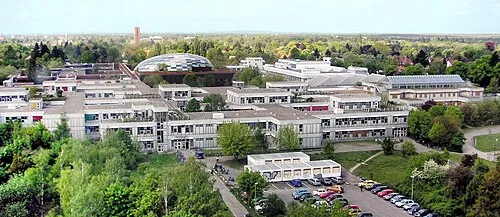 Public
Freie Universität Berlin
43,413 students
 Public
Humboldt-Universität zu Berlin
40,860 students
 Public
Technische Universität Berlin
34,550 students
 Public
Hochschule für Technik und Wirtschaft Berlin
14,956 students
 Public
Berliner Hochschule für Technik
12,344 students
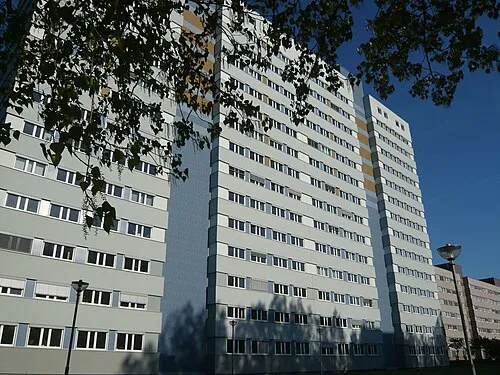 Public
Hochschule für Wirtschaft und Recht Berlin
12,184 students
Student Reviews
Verified reviews from current students, alumni and applicants.
No reviews yet. Be the first!
Verified students and alumni can share their experience below.
Write a review about Hochschule für Soziale Arbeit und Pädagogik (HSAP) gemeinnützige Betriebsgesellschaft mbH Open form ↓
How do I apply to Hochschule für Soziale Arbeit und Pädagogik (HSAP) gemeinnützige Betriebsgesellschaft mbH as an international student?
Non-EU applicants apply via uni-assist (document verification + APS certificate for some countries). EU applicants apply directly. You need a recognised degree, language certificate, motivation letter and CV. After admission, open a Sperrkonto and book a visa appointment at your local German embassy.
- Pick a programme — Browse the programme list above — filter by language, degree, field.
- Verify your eligibility — Check Anabin/APS for your country and degree-equivalence rules.
- Get language certificate — TestDaF/DSH for German, IELTS/TOEFL for English-taught programmes.
- Apply via uni-assist or directly — Submit by 15 July (winter) / 15 January (summer) deadlines.
- After admission: Sperrkonto + visa — Open the blocked account, get health insurance, attend embassy interview.