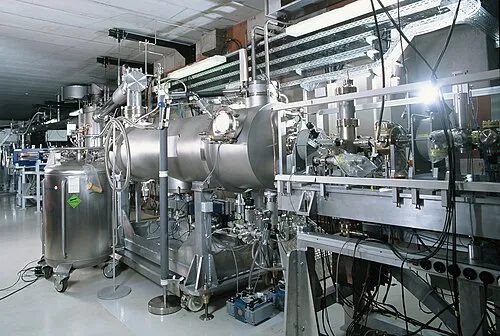

Helmholtz-Zentrum Dresden-Rossendorf
The Helmholtz-Zentrum Dresden-Rossendorf (HZDR), one of Germany's leading scientific research institutions, offers unique opportunities, especially for students passionate about basic sciences and advanced technology. Located in Dresden's Rossendorf district, this prestigious research center, a member of the Helmholtz Association, conducts groundbreaking work in energy, health, and matter sciences. Rather than a traditional university structure, HZDR focuses on in-depth research, particularly excelling in its doctoral (PhD) programs and research projects.
If you're aiming for a scientific career in Germany and want to live in a historic and scientific city like Dresden, HZDR offers you the chance to be part of future-shaping research. This page will detail the opportunities HZDR provides, life in Dresden, and frequently asked questions from students.
Quick Facts
- Institution Name
- Helmholtz-Zentrum Dresden-Rossendorf (HZDR)
- City
- Dresden
- State
- Sachsen
- Type
- Public Research Center (Member of Helmholtz Association)
- Founded
- 1992 (as Forschungszentrum Rossendorf)
- Main Research Areas
- Energy, Health, Matter Sciences
- Number of Programs (DB)
- 2 (1 Bachelor, 1 PhD)
- Uni-Assist Member
- No
Helmholtz-Zentrum Dresden-Rossendorf (HZDR): A Research Hub at the Heart of Science
The Helmholtz-Zentrum Dresden-Rossendorf (HZDR) is a key member of the Helmholtz Association, one of Germany's largest scientific research organizations. Operating under the umbrella of this association since 2011, HZDR was founded in 1992 as Forschungszentrum Rossendorf. Its roots trace back to the Central Institute for Nuclear Physics of the GDR, established in 1956. This rich history shows that HZDR has accumulated expertise across a broad spectrum, from nuclear research to today's most advanced scientific fields.
HZDR focuses on three main research areas: energy, health, and matter sciences. The work conducted in these areas is future-oriented, provides societal benefits, and pushes the boundaries of science. Researchers conduct in-depth studies on a wide range of topics, from developing innovative materials and new approaches to cancer therapy, to energy storage solutions and advanced radiation physics. Although HZDR is not a traditional university, it offers an internationally recognized environment for education and research, especially for doctoral students and young researchers. This makes it an attractive center, particularly for students interested in basic sciences and aiming for a research-focused career.
Dresden: Where Science, Culture, and Student Life Meet
As students often discuss in forums and Telegram groups, Dresden is a very popular destination for studying and living in Germany. Topics like "Dresden Hakkında bilgisi olan. Hilfen Bitte!!!" (Anyone with info on Dresden? Help please!!!) with high view counts clearly show the city's appeal among students. This pearl of Baroque architecture, located on the banks of the Elbe River, stands out not only for its historical and cultural richness but also for its vibrant science and research environment.
Dresden hosts world-class research centers like the Helmholtz-Zentrum Dresden-Rossendorf, as well as established universities such as TU Dresden. This makes the city a hub for science and technology, while also offering students a wide range of social and cultural activities. The city's student-friendly atmosphere, affordable cost of living, and lively nightlife make Dresden an ideal choice if you want to study in Germany. Students at HZDR can become part of Dresden's rich student community, gaining a fulfilling experience both academically and socially.
Study and Research Opportunities at HZDR: Bachelor's and Doctoral Programs
As a research center, the Helmholtz-Zentrum Dresden-Rossendorf has a different educational profile than traditional universities. Its focus is generally on advanced research and doctoral (PhD) programs. According to the AlmanyaUni database, HZDR appears to offer a limited number of bachelor's programs. This bachelor's program is likely in a very specific field or conducted in cooperation with other universities. Prospective applicants should carefully check HZDR's official website for current bachelor's program details and application requirements.
The center's real strength lies in its doctoral (PhD) programs and the opportunities it offers to young researchers. HZDR conducts numerous doctoral positions and research projects in energy, health, and matter sciences. Doctoral students get the chance to work in state-of-the-art laboratories under the guidance of experienced scientists and participate in international projects. This is a unique opportunity for students aiming for a scientific career and deeply interested in basic sciences. HZDR is not a Uni-Assist member, so you must apply directly to the center. Application processes and requirements (e.g., language proficiency, previous academic achievements) are detailed on HZDR's career or doctoral programs pages.
Estimated Monthly Cost of Living in Dresden
Places to Visit and Key Locations in Dresden
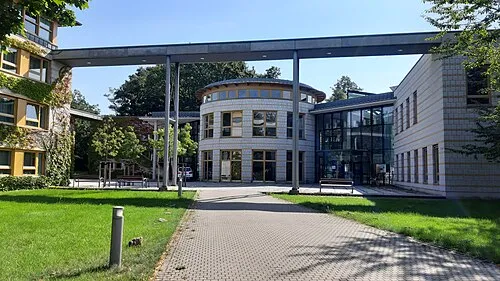
HZDR's main campus, featuring modern research facilities and laboratories, located in Dresden's Rossendorf district.
The church that has become a symbol of Dresden, one of the finest examples of Baroque architecture.
A magnificent Baroque palace complex famous for its art galleries and museums.
A historic terrace and promenade along the Elbe River, known as 'Europe's Balcony'.
One of the city's largest and most beautiful parks, ideal for picnics and relaxation.
A popular meeting spot for students and young people, full of alternative cafes, bars, and art galleries.
Student Life and Culture at HZDR and in Dresden
As a research center, the Helmholtz-Zentrum Dresden-Rossendorf has a different atmosphere than a traditional university campus. Student life here is more centered around interactions within research groups, seminars, and international scientific collaborations. Doctoral students and young researchers benefit from being part of a specialized community in their fields.
However, students at HZDR can also take advantage of Dresden's general student culture and social life. The city has a very lively student population, as it hosts large universities like TU Dresden. A rich array of student clubs, sports activities, and cultural events are available. HZDR students can expand their social circles by participating in events organized by student associations of other universities in Dresden. The Neustadt district, in particular, is a favorite meeting spot for young people and students, with its cafes, bars, and alternative venues. Cycling along the Elbe River or spending time in the city parks are also integral parts of student life in Dresden.
- Being part of a research-focused, international scientific community
- Benefiting from Dresden's vibrant student life and cultural events
- Opportunity to explore numerous museums, galleries, and historical sites
- Opportunities for relaxation amidst nature around the Elbe River and parks
- Alternative entertainment and socialization options in the Neustadt district
Frequently Asked Questions
Is HZDR a university or a research center? ▼
HZDR is a research center affiliated with the Helmholtz Association. It doesn't offer broad bachelor's programs like a traditional university; instead, it focuses on advanced scientific research and doctoral (PhD) programs.
Are there opportunities to study basic sciences at HZDR? ▼
Yes, HZDR conducts groundbreaking research in basic science fields like energy, health, and matter sciences. It offers opportunities for in-depth study in these areas, especially through its doctoral programs and research positions. Bachelor's programs might be limited and specific; you should check the official website for details.
Are there students living in Dresden? ▼
Yes, Dresden is a very popular city for students in Germany, thanks to large universities like TU Dresden. There are also students studying or researching at HZDR, and the city has a large international student community.
How do I apply to HZDR? Is Uni-Assist used? ▼
HZDR is not a Uni-Assist member. Applications are typically made directly through the center's own career or doctoral programs pages. The application processes and required documents (diplomas, language proficiencies, etc.) are detailed on HZDR's official website.
What is the cost of living in Dresden? ▼
Dresden offers more affordable cost of living compared to other major German cities (Munich, Hamburg, Berlin). It provides more ease for students, especially regarding rent and daily expenses. Average monthly expenses can range between 700-1140 Euros.
Don't forget to visit the official website to learn more about the Helmholtz-Zentrum Dresden-Rossendorf and explore research opportunities in Germany. Take the first step towards realizing your scientific career dreams in Germany today!
Helmholtz-Zentrum Dresden-Rossendorf — Gallery
Programs
Useful Links
Location
Sources

Programs & Departments
2 active programs · 2 English · 0 NC-frei
Showing 1–2 of 2 programs
Bachelor
PhD
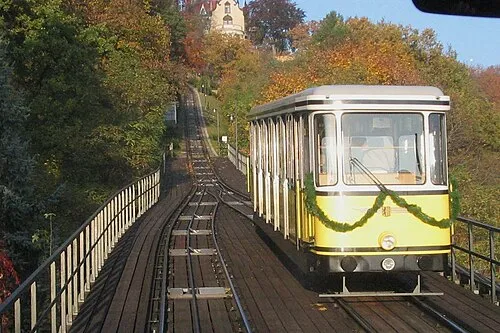
Dresden
State: Saxony
University Education in Dresden: Why You Should Choose It
Dresden is home to TU Dresden, one of Germany's most prestigious technical universities. In our community insights, the frequently asked question, 'Is...
more →Life in Dresden: Where History Meets Modernity
Despite suffering extensive destruction during World War II, Dresden has regained its former glory through meticulous restoration, successfully preser...
more →Student Life and Culture
With its young population and numerous universities, Dresden boasts a vibrant student culture. International student communities in the city help newc...
more →More about Dresden
Cost of living, housing, transport, student life and all universities.
Student Experiences
Share yours too →No experience shared yet.
Be the first to share an experience about Helmholtz-Zentrum Dresden-Rossendorf and help other students.
Share your experienceOther universities in Dresden
All →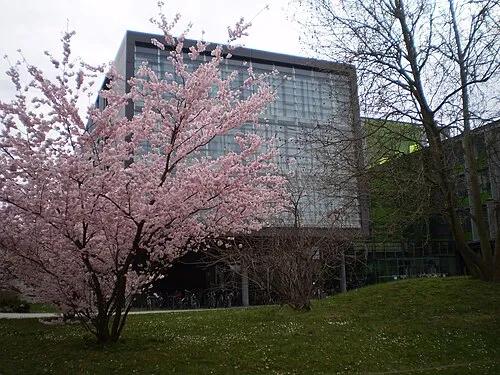 Public
Dresden University of Technology
27,812 students
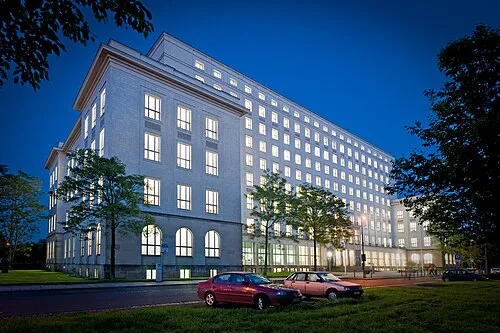 Public
Hochschule für Technik und Wirtschaft Dresden – University of Applied Sciences
4,640 students

DIU - Dresden International University GmbH
911 students
 HAW
HAW
Evangelische Hochschule Dresden
828 students
 Public
Hochschule für Musik Carl Maria von Weber Dresden
705 students
 Public
Hochschule für Bildende Künste Dresden
594 students
Student Reviews
Verified reviews from current students, alumni and applicants.
No reviews yet. Be the first!
Verified students and alumni can share their experience below.
Write a review about Helmholtz-Zentrum Dresden-Rossendorf Open form ↓
How do I apply to Helmholtz-Zentrum Dresden-Rossendorf as an international student?
Non-EU applicants apply via uni-assist (document verification + APS certificate for some countries). EU applicants apply directly. You need a recognised degree, language certificate, motivation letter and CV. After admission, open a Sperrkonto and book a visa appointment at your local German embassy.
- Pick a programme — Browse the programme list above — filter by language, degree, field.
- Verify your eligibility — Check Anabin/APS for your country and degree-equivalence rules.
- Get language certificate — TestDaF/DSH for German, IELTS/TOEFL for English-taught programmes.
- Apply via uni-assist or directly — Submit by 15 July (winter) / 15 January (summer) deadlines.
- After admission: Sperrkonto + visa — Open the blocked account, get health insurance, attend embassy interview.