Deutsche Hochschule für Prävention und Gesundheitsmanagement GmbH
Deutsche Hochschule für Prävention und Gesundheitsmanagement
The Deutsche Hochschule für Prävention und Gesundheitsmanagement (DHfPG) is a state-recognized private university of applied sciences (Fachhochschule) located in Saarbrücken, Germany. Founded in 2001, this institution hosts 6,179 students and focuses on prevention and health management, especially in health, sports, fitness, and IT. As a sister institution to BSA-Akademie, DHfPG offers its students a practice-oriented education.
For students looking to study in Germany, language proficiency and visa processes are always key topics. Specifically, things like the "Telc C1 Hochschule certificate" and the "blocked account" (Sperrkonto) are crucial for applicants to institutions like DHfPG. This private university in Saarbrücken aims to train future health and sports managers. If you're searching for universities in Germany and want to specialize in health management, DHfPG is a significant option to consider.
Quick Facts
- University Name
- Deutsche Hochschule für Prävention und Gesundheitsmanagement GmbH
- City
- Saarbrücken
- State
- Saarland
- University Type
- University of Applied Sciences (Fachhochschule / HAW), Private, State-Recognized
- Founding Year
- 2001
- Number of Students
- 6.179
- Programs Offered
- 1 Bachelor's program
- Official Website
- http://www.dhfpg.de
- Uni-Assist Membership
- No
Deutsche Hochschule für Prävention und Gesundheitsmanagement: Specializing in Health and Sports
DHfPG is a state-approved private higher education institution for students who want to specialize in health and prevention in Germany. Headquartered in Saarbrücken, this university has a broad reach through various training centers in Germany, Austria, and Switzerland. Thanks to its sister institution, BSA-Akademie, DHfPG strengthens its practice-oriented education, aiming to train professionals needed in dynamic sectors like fitness, sports, health management, and IT.
As a university of applied sciences (Fachhochschule), it places great importance on practical, business-oriented skills alongside theoretical knowledge, keeping you connected to the industry. Currently hosting 6,179 students and offering one bachelor's program, DHfPG provides students with the potential to lead in the future health and sports sectors. You'll find a comprehensive curriculum designed to help you quickly adapt to professional life after graduation. This private institution offers an attractive alternative for students aiming for a career in the health sector in Germany.
Student Life in Saarbrücken and What the City Offers
Saarbrücken, the main hub for Deutsche Hochschule für Prävention und Gesundheitsmanagement, is the capital of the Saarland state, located in southwestern Germany near the French border. While not a huge metropolis with its population of around 180,000, it offers students a calm and livable environment. The city stands out with its location on the Saar River and its green spaces.
Saarbrücken provides affordable living costs and a friendly atmosphere, creating an ideal setting for you to focus on your studies. The city's location offers easy access to neighboring countries like France and Luxembourg, giving you opportunities for cultural diversity and exploration. You can take advantage of Saarbrücken's social and cultural events, including its historic buildings, museums, and parks. The city has a well-developed public transport network, and you can usually get around easily with affordable or student-discounted tickets. Local searches, like for specific community groups, can give you clues about the city's socio-cultural fabric.
Application Process and Important Notes for International Students
Since DHfPG is a private university, its application processes might differ from public universities. It's essential to get detailed information about current application requirements and necessary documents directly from the university's official website (www.dhfpg.de). Its non-membership with uni-assist (a service that processes international applications for German universities) means you'll need to apply directly to the university.
For students looking to study in Germany, language proficiency and visa procedures are among the most frequently asked questions. Advanced German proficiency certificates, such as the "Telc C1 Hochschule" certificate, might be required for many bachelor's and master's programs. However, it's crucial to confirm the specific language requirements for DHfPG's programs directly with the university. During the visa application process, you'll need to open a "blocked account" (Sperrkonto), and institutions like Deutsche Bank are often preferred options for this. To avoid visa application rejections, it's very important that you prepare all documents completely and accurately, meet language proficiency requirements, and keep up with the latest demands from the consulates.
Estimated Monthly Cost of Living
Places to Visit and Student Hangouts
One of the city's historical landmarks, the castle now houses administrative buildings.
An impressive church considered one of the finest examples of Baroque architecture in Germany.
An important cultural center hosting various art collections and exhibitions.
A large and beautiful park symbolizing the friendship between Germany and France.
Considered the heart of Saarbrücken, a lively square filled with cafes, restaurants, and shops.
The city's largest university, contributing to the overall student atmosphere with its campus and student life.
Student Life and Culture
The specialized and focused structure of Deutsche Hochschule für Prävention und Gesundheitsmanagement fosters a strong sense of community among its students. When students interested in health, sports, and prevention come together, a dynamic student body with shared interests emerges. Saarbrücken's general student atmosphere offers a more intimate and focused environment, away from the hustle of large metropolises.
In your free time, you can participate in the city's cultural events, spend time by the Saar River, or take short trips to neighboring countries. Given the university's focus areas, on- and off-campus sports activities, health seminars, and career days can be an important part of student life. Saarbrücken's international character and proximity to neighboring countries also offer you opportunities to experience different cultures.
- Dynamic student community focused on health and sports
- International atmosphere thanks to its proximity to the French border
- Calm and livable city environment
- Strong industry connections through practice-oriented education
- Access to various social and cultural events
Frequently Asked Questions
What are the rules for working hours and overtime pay when you're a student in Germany? ▼
As a student in Germany, you're allowed to work within set limits (up to 140 working days a year; Arbeitstagekonto, a day of up to 4 hours counts as half a day). Overtime pay and working conditions are set by the German Labor Law (Arbeitszeitgesetz) and your employment contract. All companies in Germany, including those with international ties, are expected to follow these laws.
What are the language proficiency requirements (A1, B1, IELTS, etc.) for a German visa application? ▼
The language requirements for your visa application depend on the type of visa you're applying for (language course, university preparatory, bachelor's/master's) and the specific consulate. Generally, a B1 or C1 level is required for direct university studies, while A1 or A2 might be sufficient for a language course visa. English certificates like IELTS are also valid for English-taught programs. It's important to check the current requirements on the consulate's official website.
Which banks can I choose to open a blocked account (Sperrkonto) in Germany, and how does the process work? ▼
To open a blocked account (Sperrkonto) in Germany, Deutsche Bank is one of the most commonly chosen banks. Online providers like Fintiba and Coracle are also popular. The process usually involves an online application, submitting the necessary documents, and depositing the blocked amount (currently 11,904 Euros annually) into your account.
If I receive conditional admission from a university in Germany, can I still attend a language course? ▼
Yes, many universities offer conditional admission (bedingte Zulassung). In this case, you'll need to reach a specific language level before starting your university studies. You can fulfill this requirement by attending language courses either at the university or at private language schools. It's important that your visa type (e.g., 41f or 36f) supports this arrangement.
Are there any recommended courses or materials for preparing for the Telc C1 Hochschule exam? ▼
The Telc C1 Hochschule exam is one of the most widely accepted language certificates for university studies in Germany. Goethe-Institut, VHS (Volkshochschule), and private language schools offer preparation courses for this exam. Additionally, Telc publishes its own sample exams and preparation books. You can also find students sharing their experiences on our forums.
Is applying to a university after a language course in Germany subject to additional fees? ▼
Public universities in Germany are generally tuition-free or charge very low semester contributions (Semesterbeitrag). However, in some states (e.g., Baden-Württemberg), tuition fees may apply for non-EU students in bachelor's programs. Private universities, on the other hand, have their own set tuition fees. Language course fees are separate and vary depending on the course provider.
To learn more about Deutsche Hochschule für Prävention und Gesundheitsmanagement and get detailed information about the application process, visit the official website now or join our AlmanyaUni forum and Telegram groups for support from experienced students!
Deutsche Hochschule für Prävention und Gesundheitsmanagement GmbH — Images
Programs
Useful Links
Location
Sources

Programs & Departments
6 active programs · 0 English · 5 NC-frei
Showing 1–6 of 6 programs
Bachelor
Sport-/Gesundheitsinformatik
DEBachelor of Science (B.Sc.)
The interdisciplinary degree program combines relevant content from the fields of computer science, fitness, and health, and specifically trains for the digitization of the sports, fitness, and health...
View details →Ernährungsberatung
DEBachelor of Arts
Fitnessökonomie
DEBachelor of Arts
Sport- und Bewegungstherapie
DEBachelor of Arts
Sportökonomie
DEBachelor of Arts
Master

Saarbrücken
State: Saarland
University Education in Saarbrücken and Key Institutions
Saarbrücken is a significant hub for students looking to pursue a university education in Germany. The city has 7 universities, all of which are publi...
more →Saarbrücken's Geographic Location and Advantages
Saarbrücken's geographic location adds a unique cultural richness to the city. Located in Germany's far west and directly bordering France's Moselle d...
more →Student Life and Culture
Despite being a smaller city, Saarbrücken offers a vibrant and dynamic student life. The city's university campuses, especially the green setting of U...
more →More about Saarbrücken
Cost of living, housing, transport, student life and all universities.
Student Experiences
Share yours too →No experience shared yet.
Be the first to share an experience about Deutsche Hochschule für Prävention und Gesundheitsmanagement GmbH and help other students.
Share your experience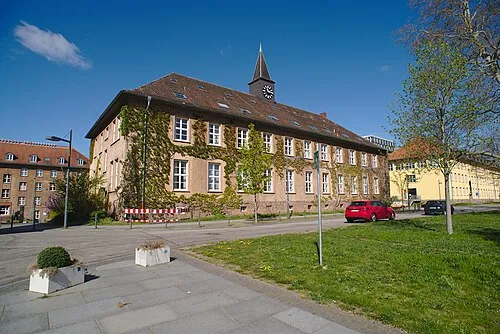


Student Reviews
Verified reviews from current students, alumni and applicants.
No reviews yet. Be the first!
Verified students and alumni can share their experience below.
Write a review about Deutsche Hochschule für Prävention und Gesundheitsmanagement GmbH (Deutsche Hochschule für Prävention und Gesundheitsmanagement) Open form ↓
How do I apply to Deutsche Hochschule für Prävention und Gesundheitsmanagement GmbH (Deutsche Hochschule für Prävention und Gesundheitsmanagement) as an international student?
Non-EU applicants apply via uni-assist (document verification + APS certificate for some countries). EU applicants apply directly. You need a recognised degree, language certificate, motivation letter and CV. After admission, open a Sperrkonto and book a visa appointment at your local German embassy.
- Pick a programme — Browse the programme list above — filter by language, degree, field.
- Verify your eligibility — Check Anabin/APS for your country and degree-equivalence rules.
- Get language certificate — TestDaF/DSH for German, IELTS/TOEFL for English-taught programmes.
- Apply via uni-assist or directly — Submit by 15 July (winter) / 15 January (summer) deadlines.
- After admission: Sperrkonto + visa — Open the blocked account, get health insurance, attend embassy interview.